7 Signs Your Teeth Are Remineralizing
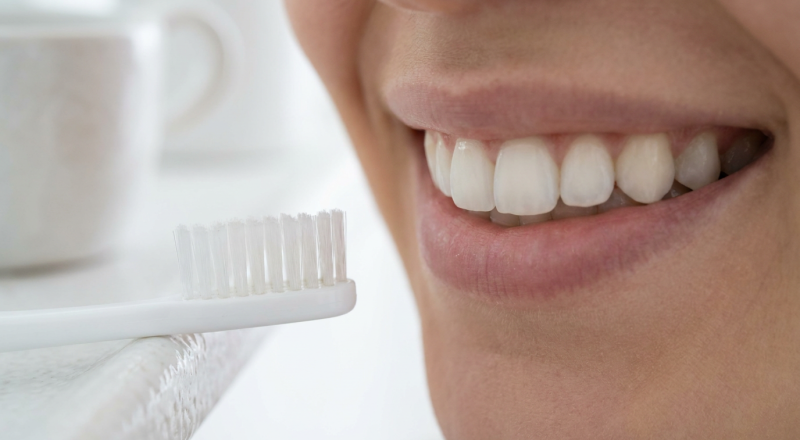
The clearest signs your teeth are remineralizing are less sensitivity to cold and sweets, a smoother feel when you run your tongue over enamel, and white spot lesions becoming less visible over time.
Remineralization is gradual. You are looking for a trend over weeks, not a single dramatic change.
Reduced Sensitivity to Cold and Sweet Foods
Exposed dentin tubules cause the sharp sting from cold drinks or sugar. As minerals redeposit into weakened enamel, that pathway closes gradually, and the sting fades.
If you want the mechanism behind this in more depth, see how to remineralize teeth naturally.
Smoother Enamel Surface
Run your tongue across a tooth that used to feel rough or chalky. A smoother texture usually means the porous surface is filling back in with minerals rather than staying demineralized.
White Spot Lesions Fading
Early demineralization often shows up as chalky white spots near the gumline. As remineralization progresses, these spots can become less opaque and blend closer to the surrounding enamel color.
Our teeth remineralization before and after breakdown covers realistic timelines for this specific change.
Less Staining and a Slightly Brighter Look
Stronger, less porous enamel holds onto surface stains less easily. Many people notice their teeth resist coffee or wine staining better once remineralization is underway.
Fewer New Cavities at Checkups
A dentist checking for early demineralization spots may note fewer new areas of concern compared to your last visit. This is one of the more reliable, less subjective signs, since it is measured rather than felt.
A Consistent Routine, Not a Quick Fix
None of these signs show up reliably without consistent use of a remineralizing routine over weeks or months. For the full framework, our complete guide to teeth remineralization lays out what actually moves the needle.