How to Brush a Dog's Teeth: A Step-by-Step Routine That Sticks
Last reviewed: June 2026 by Enamelly Editorial Team. This article contains affiliate links to products we recommend; we may earn a small commission at no cost to you.
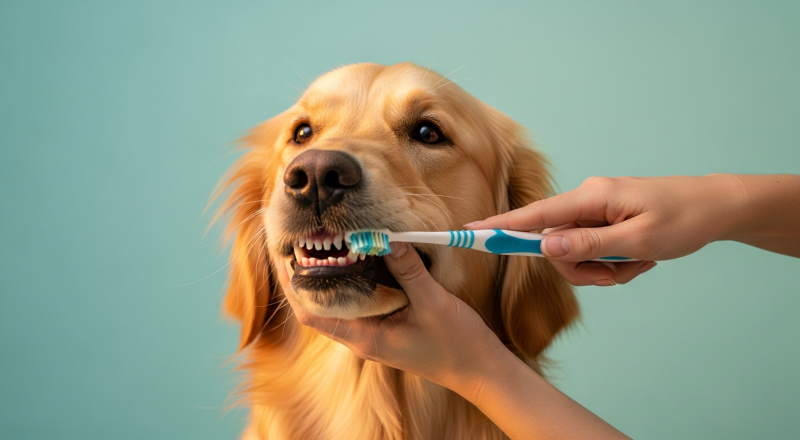
Brushing your dog's teeth is the single most effective thing you can do to prevent periodontal disease, which affects an estimated 80 percent of dogs by age three, according to the American Veterinary Dental College (AVDC). Most dogs resist it at first, but resistance comes from unfamiliarity, not from any inherent dislike of the process. A few weeks of consistent, low-pressure acclimation and most dogs will sit still for a 60-second brush without drama. This guide walks you through exactly how to get there.
Quick answer: Start by letting your dog taste pet-formulated enzymatic toothpaste for several days before introducing the brush. Once accepted, brush in small circular motions along the gum line, focusing on the outer surfaces of the large back teeth where tartar builds fastest. Aim for daily brushing; three to four times per week is the practical minimum to see measurable plaque control.
Why Human Toothpaste Will Hurt Your Dog
Before anything else: never use human toothpaste on a dog. Most human formulas contain xylitol, a sugar alcohol that is acutely toxic to dogs and can cause rapid blood sugar drops and liver failure even in small doses. Fluoride, present in virtually all human toothpastes, is also toxic to dogs when swallowed, and dogs cannot spit. Use only toothpaste formulated specifically for pets. Look for the Veterinary Oral Health Council (VOHC) seal on the label, which indicates the product has passed controlled efficacy trials for plaque or tartar reduction.
The same logic applies to human mouthwash and oral rinses. Many contain alcohol or xylitol. Stick to products the VOHC has evaluated, or ask your vet for a specific recommendation at your next visit. Baking soda paste is also not a substitute: it is not acutely toxic, but it offers no enzymatic benefit and can cause stomach upset.
What You Need Before You Start
You do not need an elaborate kit. Four items cover everything:
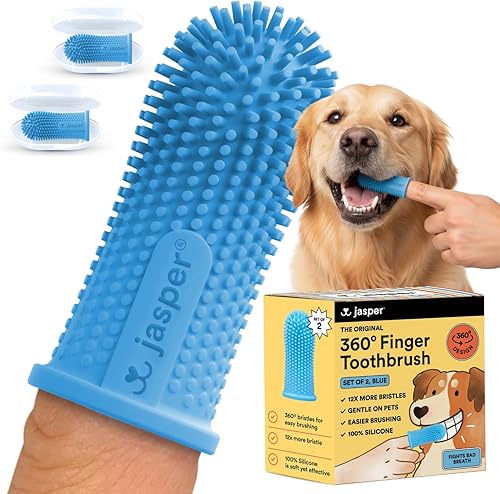
- A pet toothbrush sized for your dog. Finger brushes work well for small breeds and during initial acclimation. Dogs over roughly 25 pounds usually accept a standard angled-head brush more easily once they are comfortable with the process.
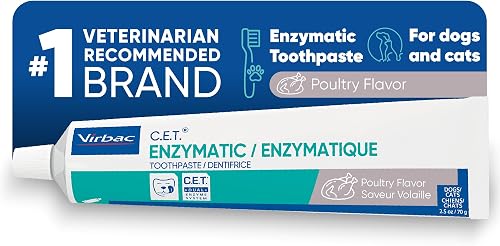
- Enzymatic pet toothpaste in a flavor your dog finds appealing. Poultry and beef flavors tend to have higher acceptance rates than mint. Enzymatic formulas contain glucose oxidase and lactoperoxidase, which continue to break down plaque between brushing sessions even after you stop.
- A quiet, distraction-free spot and a few small treats to reward cooperation.
- Patience for the first two weeks. Most dogs accept the full routine by day 10 to 14 when you follow the acclimation sequence below. Rushing that phase is the most common reason the habit fails to stick.
For a deeper look at how to choose between the available options, the best dog toothpaste guide on this site covers VOHC-accepted products by breed size and flavor preference.

The Acclimation Phase: Days 1 Through 7
Jumping straight to a toothbrush on day one almost guarantees a bad experience. Dogs that have never had their mouths handled will pull away, and if you push through the resistance, you associate the whole routine with stress. A short acclimation sequence avoids that entirely.
Days 1 and 2: Finger to Gum
Let your dog sniff and lick the toothpaste off your finger. No brushing, no brush. Just taste. Do this for 30 seconds per session, reward with a small treat, and end on a positive note. You are teaching your dog that the smell and taste of toothpaste predict something good, not something stressful.
Days 3 and 4: Finger Rub
Apply a small amount of toothpaste to your index finger and gently rub along the outer surfaces of the upper back teeth. Use a light circular motion. Do not force the lip up; instead, slip your finger under the lip naturally. Keep sessions under one minute. Reward and finish.
Days 5 and 6: Introduce the Brush
Let your dog sniff the toothbrush with toothpaste already on it. Then touch the brush briefly to the teeth without any scrubbing motion. You are building familiarity with the object, nothing more. If your dog tolerates this without pulling away, give an enthusiastic reward.
Day 7: First Real Brush
Attempt 15 to 20 seconds of actual brushing, focusing only on the outer surfaces of the upper back teeth (the carnassial teeth, which accumulate the most tartar). Stop before your dog becomes restless. Ending sessions before resistance builds is the single biggest factor in whether the habit sticks long term.
The Full Brushing Technique
Once your dog accepts the brush without pulling away, you can move to a complete routine. The whole process takes 60 to 90 seconds when your dog is comfortable.
Positioning
Sit on the floor next to your dog for small breeds, or have a medium or large dog sit in front of you while you kneel. Avoid standing over your dog or restraining their head; both postures increase stress. Keep one hand free to offer reassurance rather than to hold them still.
The Brushing Motion
Hold the brush at a 45-degree angle to the gum line. Use small, gentle circles along the outer surfaces of the teeth, working from back to front. The gum line is where plaque accumulates and where brushing has the most impact. Do not scrub hard; light consistent contact is more effective than aggressive pressure and far less likely to cause gum irritation.
Focus the majority of your time on the upper premolars and molars, the large teeth at the back of the mouth. These are the primary sites for periodontal disease in dogs because the salivary gland ducts deposit mineral-rich saliva directly onto them, accelerating tartar formation. The inner (lingual) surfaces of the teeth are largely self-cleaned by the tongue and are lower priority if your dog resists.
Frequency
Daily brushing is the goal the AVDC recommends. Plaque hardens into tartar within 24 to 48 hours of forming, so brushing every other day still allows some mineralization between sessions. Three to four sessions per week is a realistic compromise that produces meaningful plaque control for most dogs. Anything less than twice weekly provides minimal preventive benefit.
Breed and Size Considerations
Flat-faced (brachycephalic) breeds, including bulldogs, pugs, and French bulldogs, have crowded, rotated teeth that trap food and bacteria at higher rates than breeds with longer muzzles. These dogs need more frequent brushing and more frequent professional cleanings, not less. Their structural anatomy means periodontal disease can progress faster, even with good home care.
Toy breeds, including Chihuahuas, Yorkies, and Shih Tzus, are disproportionately affected by early-onset periodontal disease because their teeth are proportionally large relative to their jaw size, creating crowding. Daily brushing is especially valuable for these dogs.
Giant breeds (Great Danes, Saint Bernards, Mastiffs) tend to be lower risk for severe periodontal disease relative to their body size, but they are not immune. The technique is the same; you will simply need a larger brush head to cover the teeth efficiently.
What to Avoid
A few common mistakes undermine otherwise solid brushing habits:
- Using human toothpaste, mouthwash, or baking soda pastes. Baking soda is not acutely toxic, but it can cause stomach upset and offers no enzymatic benefit.
- Brushing too aggressively. Bleeding gums after brushing indicate you are pressing too hard or that existing gingivitis needs veterinary attention before home care can help.
- Skipping the acclimation phase because your dog seems tolerant. Tolerant is not the same as comfortable. A proper acclimation builds lasting compliance.
- Stopping sessions mid-struggle. If your dog becomes resistant, calmly end the session, give a small reward, and try again the next day with a shorter session. Forcing through resistance sets back the routine by days.
- Treating dental care as seasonal. Consistent daily or near-daily brushing is what produces results. Brushing intensively before a vet appointment and then stopping has no long-term benefit.
- Choosing dental products without the VOHC seal. Many products make plaque or tartar claims without supporting evidence. The VOHC seal is the only independent verification that a product works.
When Your Dog Won't Cooperate: Practical Troubleshooting
Some dogs remain resistant past the standard acclimation period. That is not a failure; it is information. A few targeted adjustments usually resolve the issue.
If your dog accepts finger rubbing but rejects the brush, try a finger brush (a silicone cap that fits over your fingertip) as a transitional tool. It feels similar to direct finger contact while still providing mechanical plaque removal. Gradually introduce a standard brush once the finger brush is accepted.
If the issue is the mouth being touched at all, return to basics and add higher-value rewards. Use small pieces of meat-based treat immediately after each brief touch to the muzzle area, not just after the full session. You are building a positive association with the act of mouth handling itself.
If your dog becomes tense when you approach from the front, try positioning slightly to the side. Some dogs interpret a direct frontal approach as confrontational.
If resistance continues after three to four weeks of consistent effort, speak with your vet. Some dogs have underlying mouth pain from existing dental disease, fractured teeth, or oral lesions that make brushing genuinely uncomfortable. Getting pain addressed first makes training dramatically easier.
Beyond the Brush: What Else Actually Helps
Brushing is the gold standard for home dental care, but it is not the only tool worth using. The key word is supplement, not replace. No chew, water additive, or dental treat removes plaque as effectively as brushing.
Dental chews with the VOHC seal have demonstrated plaque or tartar reduction in controlled studies. They are most useful on days when brushing is not practical. Look for the VOHC Accepted mark on the packaging, since many products make dental claims without supporting evidence.
Water additives that carry VOHC approval can reduce plaque accumulation when added to the drinking water daily. They work passively, which makes them practical for dogs that are highly resistant to any direct oral contact. They should not replace brushing; they reduce what brushing has to manage.
Raw bones and certain dental toys can help mechanically clean tooth surfaces, but they carry risks. Very hard bones (weight-bearing bones from large animals) can fracture teeth. A useful general rule from veterinary dentistry: if you would not want to be hit on the kneecap with the object, it is too hard for a dog to chew safely.
| Option | VOHC-Accepted? | Replaces Brushing? | Best Use Case |
|---|---|---|---|
| Dental chews | Some (check label) | No | Days brushing is skipped |
| Water additives | Some (check label) | No | Highly brush-resistant dogs |
| Dental toys | Rarely | No | Mechanical surface cleaning only |
| Raw bones | No | No | Caution: fracture risk with hard bones |
| Enzymatic toothpaste (brushed) | Yes (VOHC-accepted products) | N/A (this IS brushing) | Primary daily routine |
For a full overview of how brushing fits into a broader oral care plan, the pet dental care section covers professional cleanings, dental diets, and how to evaluate your dog's oral health at home.
Signs You Need to Call the Vet
Home care manages what is already healthy. It cannot treat existing disease. Bring your dog in if you notice any of the following:
- Visible brown or yellow tartar accumulation on the teeth, especially near the gum line
- Red, swollen, or bleeding gums not caused by brushing pressure
- Persistent bad breath that does not improve with regular brushing
- Reluctance to chew, dropping food, or pawing at the mouth
- Loose teeth or visible swelling along the jaw or under the eye (a swelling below the eye in dogs can indicate a tooth root abscess)
- Changes in eating behavior, especially avoidance of hard food
Professional dental cleanings under anesthesia are necessary periodically regardless of how diligent your home care routine is. Your vet will recommend a frequency based on your dog's breed, age, and rate of tartar formation. Home brushing does not eliminate the need for professional cleanings; it extends the interval between them and reduces the severity of what the cleaning needs to address.
The American Veterinary Medical Association (AVMA) recommends annual oral examinations as part of routine wellness visits. Dental disease detected early is far less costly, and far less painful for your dog, than disease that has been allowed to progress.
For a guide to what professional dog dental cleaning involves and how to evaluate products that support it, see the cat and dog dental care resource on this site.
Frequently Asked Questions
How often should I brush my dog's teeth?
Daily is the AVDC recommendation, since plaque mineralizes into tartar within 24 to 48 hours. Three to four times per week is a realistic minimum that still produces meaningful plaque control for most dogs. Brushing once a week or less offers limited preventive benefit.
My dog already has visible tartar. Will brushing remove it?
No. Once plaque hardens into tartar, mechanical removal requires professional scaling tools. Brushing at home prevents new plaque from forming and slows the rate of tartar accumulation, but it cannot reverse calculus that is already mineralized. Your dog needs a professional dental cleaning first, then home care to maintain the results.
Can I use a regular soft toothbrush made for humans?
A soft-bristle human toothbrush is mechanically acceptable for larger dogs if it is the right size. The critical issue is the toothpaste, not the brush. Never use human toothpaste; use only pet-formulated enzymatic toothpaste. A brush designed for dogs tends to have a more angled head that makes accessing the back teeth easier, but the brush head style matters less than consistent use.
At what age should I start brushing my dog's teeth?
The earlier the better. Puppies introduced to tooth brushing before 12 weeks of age, during the primary socialization window, tend to accept it as a normal part of life. Adult dogs can absolutely be trained to accept brushing; it just takes longer. There is no age at which starting dental care is pointless.
Are dental chews a substitute for brushing?
No, though VOHC-accepted dental chews are a useful supplement on days when brushing is not possible. Chews help reduce plaque and tartar on the surfaces the chewing action contacts, but they do not reach the gum line or clean all tooth surfaces the way a brush does. Think of them as maintenance, not replacement.
Is bad breath in dogs normal?
Mild odor after eating is normal. Persistent, strong bad breath is not. Chronic halitosis in dogs is typically a sign of bacterial activity from plaque buildup, early gingivitis, or established periodontal disease. If your dog's breath is consistently unpleasant despite regular brushing, a veterinary dental exam is warranted.
Ready to start your dog's dental routine? Browse VOHC-accepted toothpastes ranked by breed size and flavor acceptance in the best dog toothpaste guide, or explore the full pet dental care section for professional cleaning guidance and home care products.