Best Toothpaste for Sensitive Teeth: 7 Picks Ranked by Active Mechanism
Byline: Enamelly Editorial Team
Affiliate disclosure: Enamelly earns a commission on purchases made through links on this page, at no extra cost to you. Our picks are based on ingredient analysis and aggregated user reviews, not brand relationships.
The best overall pick for most people with tooth sensitivity is Sensodyne Repair & Protect, which uses Novamin (calcium sodium phosphosilicate) to physically deposit mineral into open dentinal tubules rather than simply quieting the nerve. For acid-erosion patterns, Sensodyne Pronamel is more targeted. For gum-line sensitivity with any recession or gingivitis, Crest Gum & Sensitivity with stannous fluoride is the better call. For fluoride-free remineralization, Boka Ela Mint (nano-hydroxyapatite) is the evidence-backed option. If sensitivity has appeared suddenly, lingers more than 30 seconds after cold exposure, or is paired with visible swelling, no toothpaste addresses those patterns. See a dentist before reaching for a tube.
For a deeper look at products that address both nerve sensitivity and inflamed tissue, see our guide to toothpaste for sensitive teeth and gums. If gum health is your primary concern, start with the sensitive gums hub.
Top Pick at a Glance
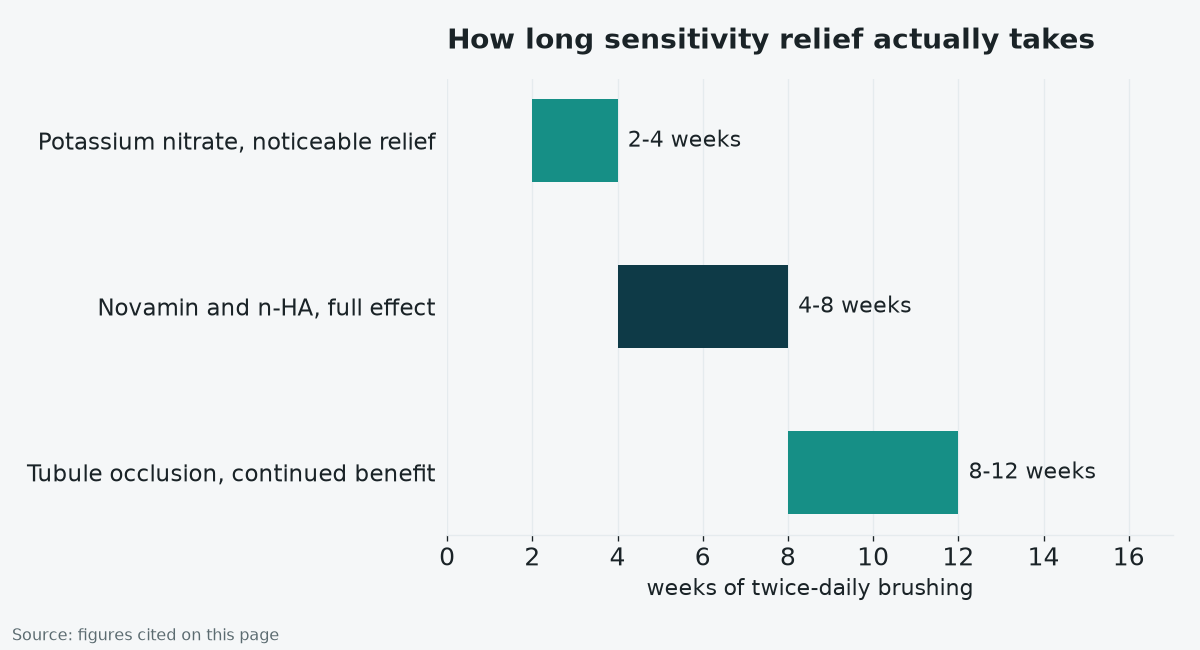
Best overall: Sensodyne Repair & Protect with Novamin (available in the US as Extra Whitening variant). Active ingredient: calcium sodium phosphosilicate (Novamin), which deposits hydroxyapatite-like mineral directly into open dentinal tubules rather than just blocking surface pain signals. Most dentists reach for this first when a patient describes acute cold sensitivity. Expect noticeable relief in 2 to 4 weeks of twice-daily brushing; full tubule occlusion benefits continue accumulating through 8 to 12 weeks. Use it as your daily fluoride toothpaste, not as a spot treatment.
Comparison Table
| Product | Active Mechanism | Key Ingredient | Best For | Whitening | Buy |
|---|---|---|---|---|---|
| Sensodyne Repair & Protect | Tubule occlusion + remineralization | Novamin (calcium sodium phosphosilicate) | Acute cold/heat sensitivity | Mild | Check price |
| Sensodyne Pronamel | Enamel rehardening | Potassium nitrate + sodium fluoride | Acid erosion + sensitivity combo | Gentle | Check price |
| Boka Ela Mint | Tubule occlusion + remineralization | Nano-hydroxyapatite (n-HA) | Fluoride-free seekers, sensitivity + whitening | Yes | Check price |
| Crest Gum & Sensitivity | Nerve calming + gum protection | Stannous fluoride 0.454% | Sensitivity with gum recession or gingivitis | No | Check price |
| Colgate Sensitive Whitening | Nerve calming | Potassium nitrate 5% + sodium fluoride | Sensitivity + daily whitening maintenance | Yes | Check price |
| hello Sensitivity Relief | Nerve calming | Potassium nitrate 5% + fluoride-free option | Clean-label, natural ingredient seekers | No | Check price |
| Arm & Hammer Sensitive Whitening | Nerve calming + mild abrasion reduction | Potassium nitrate + baking soda | Budget-friendly daily sensitivity management | Yes | Check price |
1. Sensodyne Repair & Protect: Best for Acute Cold or Heat Sensitivity
Why it ranks first
Sensodyne Repair & Protect uses Novamin, a bioactive glass compound (calcium sodium phosphosilicate) originally developed for bone grafting applications. When it contacts saliva, it releases calcium and phosphate ions that precipitate into a hydroxyapatite-like layer inside dentinal tubules. That is a different mechanism from potassium nitrate, which simply desensitizes the nerve without actually sealing anything. The distinction matters: Novamin-based formulas continue providing protection even after brushing stops, because the mineral deposit is structural rather than pharmacological.
A randomized controlled trial by Sharma et al. (2017) published in the Journal of Clinical Dentistry demonstrated statistically significant dentin tubule occlusion with Novamin after 4 weeks of twice-daily use, with continued improvement measured at 8 weeks. A separate meta-analysis by Karim & Gillam (2013) in International Journal of Dentistry confirmed Novamin produces superior tubule occlusion versus placebo over 8-week intervals.
Pros
- Addresses the physical cause (open tubules), not just the symptom
- Also contains sodium fluoride for cavity protection
- Available in Extra Whitening and Daily Repair variants
- Most widely recommended by dentists for dentin hypersensitivity
Cons
- Not the fastest-acting option; potassium nitrate provides quicker initial relief
- Some formulations outside the US contain higher Novamin concentrations; the US version is somewhat diluted
- Mild mint flavor, which not everyone prefers
2. Sensodyne Pronamel: Best for Acid Erosion Plus Sensitivity
Why it earns this spot
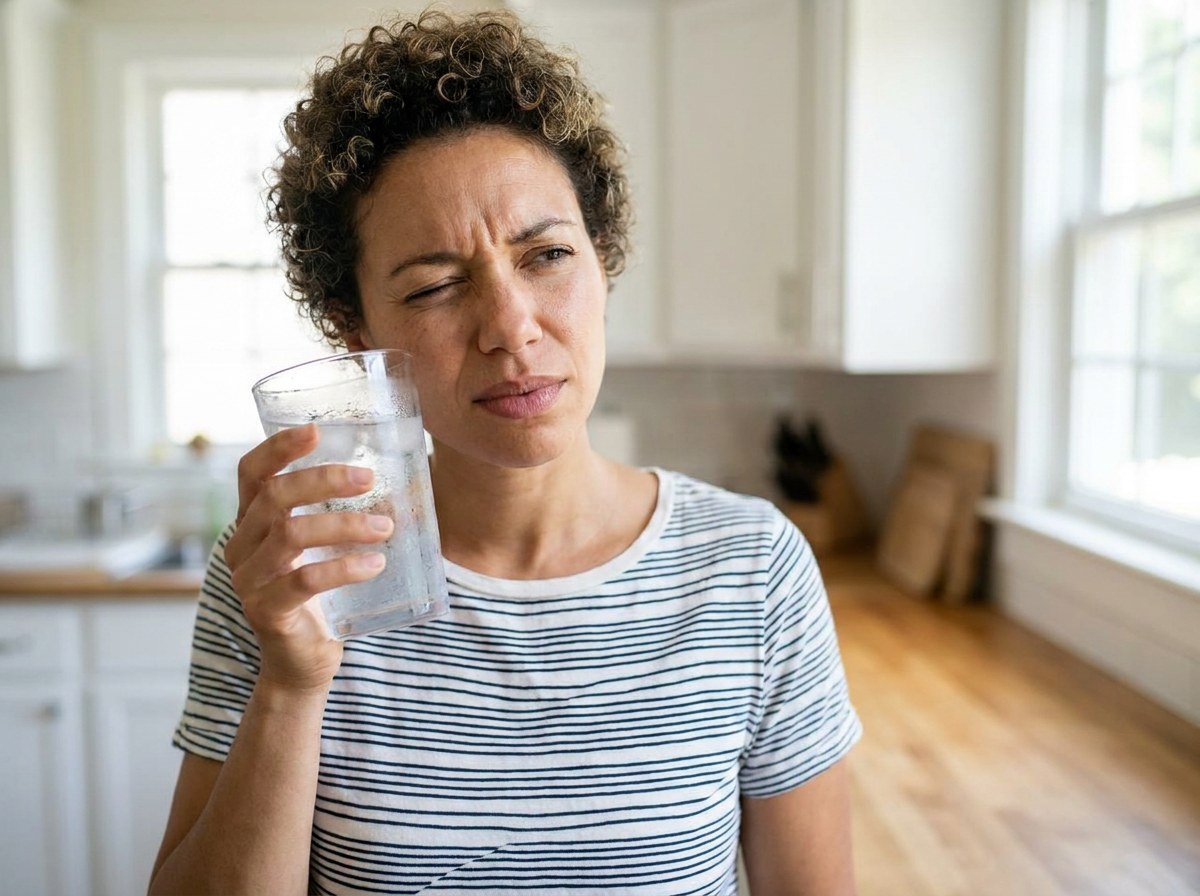
Sensodyne Pronamel targets a specific and extremely common combination: enamel softened by dietary acid (citrus, soda, wine) that has become more permeable to temperature and pressure. The formula’s potassium nitrate calms the nerve response while its sodium fluoride concentration is optimized for enamel rehardening rather than just cavity prevention. Pronamel’s pH-neutral formula also avoids creating further acid exposure during brushing.
If you drink coffee or carbonated drinks daily and notice sensitivity that worsens over months rather than appearing suddenly, Pronamel is the more targeted choice over standard Sensodyne varieties. For those also dealing with gum tissue changes, our roundup of toothpaste for sensitive teeth and gums covers options that address both concerns simultaneously.
Pros
- Specifically formulated for acid-erosion pattern sensitivity
- pH neutral, reduces enamel-softening risk at brushing
- Gentle enough for twice-daily use over years
- Gentle Whitening variant available
Cons
- Does not use Novamin; tubule occlusion is less pronounced than Repair & Protect
- Takes 2 to 4 weeks to show measurable nerve-calming effect
- Enamel rehardening benefit is gradual; expect 8 to 12 weeks for measurable change
3. Boka Ela Mint: Best Nano-Hydroxyapatite Option
Why nano-hydroxyapatite is worth understanding
Boka Ela Mint uses nano-hydroxyapatite (n-HA) as its primary active ingredient, the same mineral that makes up roughly 97% of enamel and 70% of dentin by weight. Unlike fluoride, which works by converting hydroxyapatite to fluorapatite, n-HA deposits the actual structural material of the tooth surface directly, physically filling micro-defects and partially exposed tubule openings.
A 2019 study by Amaechi et al. published in BDJ Open found nano-hydroxyapatite formulations comparable to fluoride toothpaste for reducing dentin hypersensitivity scores over 8 weeks, with no statistically significant difference between groups. Boka is one of the more accessible n-HA brands in the US market and is commonly stocked on Amazon. The fluoride-free formulation makes it the default recommendation for anyone avoiding fluoride while still wanting evidence-backed desensitization.
For a full comparison of nano-hydroxyapatite brands and clinical evidence, see our hydroxyapatite toothpaste guide.
Pros
- Fluoride-free with published clinical support for sensitivity reduction
- Works via remineralization, not just nerve suppression
- SLS-free; good for anyone with oral soft-tissue sensitivity alongside dentin hypersensitivity
- Clean ingredient profile
Cons
- Higher price per tube than fluoride alternatives
- Evidence base, while growing, is smaller than decades of fluoride research
- Mild flavor for some users
4. Crest Gum & Sensitivity: Best for Sensitivity Combined with Gum Issues
Why stannous fluoride changes the equation
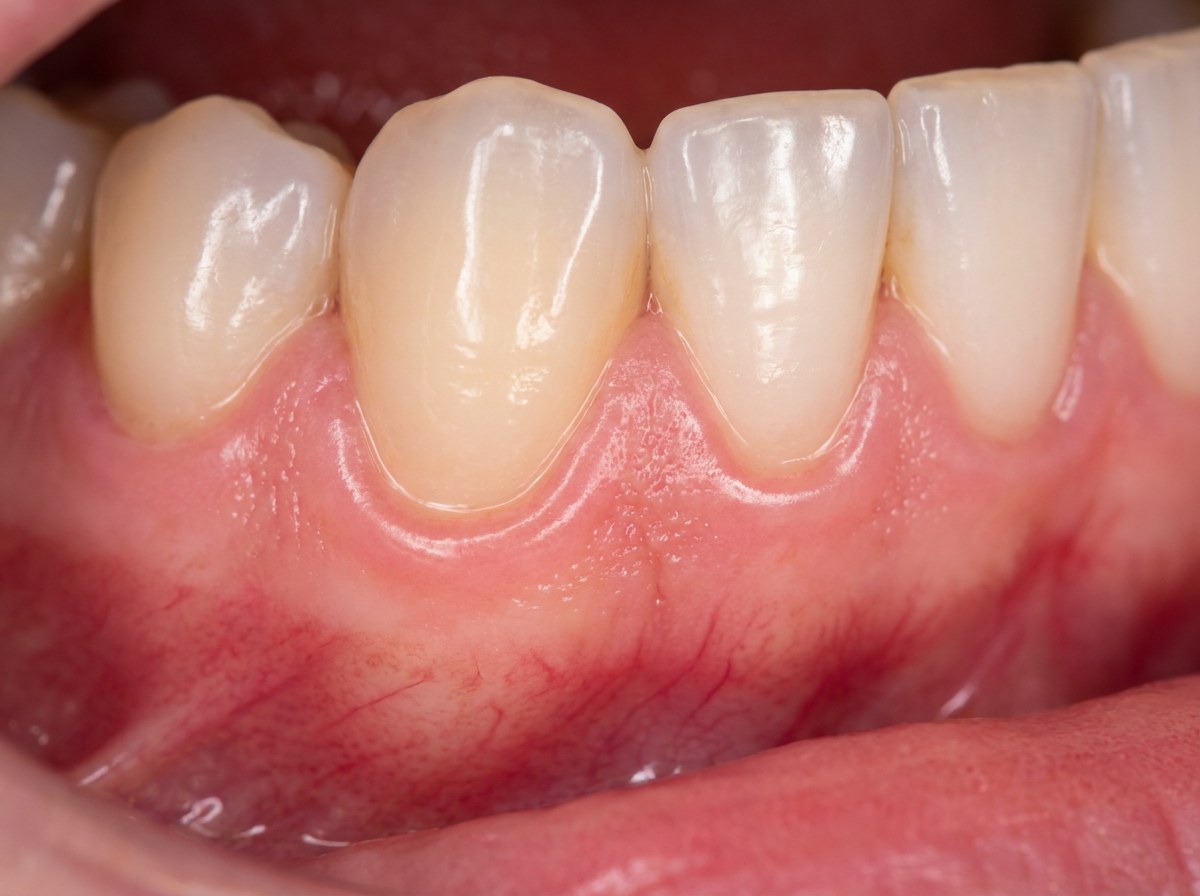
Crest Gum & Sensitivity uses stannous fluoride at 0.454%, the highest concentration permitted in OTC US oral care. Stannous fluoride does more than standard sodium fluoride in two ways: it forms a thin tin-protein layer on exposed root surfaces that physically blocks tubule entry points, and it has documented antibacterial and anti-inflammatory activity that helps reduce the gum bleeding and early recession that exposes root dentin in the first place.
If your sensitivity is concentrated along the gumline rather than on chewing surfaces, and if you have noticed any gum redness, bleeding, or recession, stannous fluoride is the more appropriate active ingredient compared to potassium nitrate alone. The tradeoff is a slightly metallic aftertaste that fades after a few days of use. Persistent sensitivity along the gumline that does not improve within 4 weeks of consistent use warrants a dental evaluation, as root exposure from recession may require a professional treatment beyond OTC toothpaste.
Pros
- Dual action: sensitivity relief plus gum health support
- 0.454% stannous fluoride is the maximum OTC concentration
- Strong antibacterial profile; reduces plaque-induced gum inflammation
- Widely available and competitively priced
Cons
- Metallic taste during initial weeks of use
- Can cause minor tooth staining with prolonged use, especially alongside coffee; manageable with a whitening rinse
The quarter-gram figure is the pea-sized amount dentists recommend for adults, and most people squeeze out two to three times that because toothpaste adverts show a full brush head. Using the correct amount is what makes an expensive hydroxyapatite tube affordable, and children under three should get a rice-grain smear instead.
5. Colgate Sensitive Whitening: Best Sensitivity Plus Whitening Combo
Getting whitening without aggravating nerves
Colgate Sensitive Whitening uses 5% potassium nitrate to block pain signal transmission through the nerve, paired with low-abrasive silica polishing agents that remove surface stain without the aggressive mechanical action of standard whitening formulas. The RDA (Relative Dentin Abrasivity) score sits well below 100, the threshold generally considered safe for daily use on already-sensitive teeth. The American Dental Association recognizes an RDA below 250 as safe for lifetime use; sensitivity-specific formulas typically target the 35 to 70 range to avoid mechanical trauma to exposed dentin.
Potassium nitrate works by diffusing into the dentinal fluid and stabilizing the polarization of nerve endings in the pulp. You are not sealing anything structurally; you are pharmacologically quieting the nerve. The effect builds over 2 to 4 weeks, and stops if you switch to a non-desensitizing formula. That means you need to commit to this as your daily toothpaste, not rotate it with a high-abrasive whitening product.
Pros
- Practical whitening for sensitive teeth without needing separate products
- 5% potassium nitrate is clinically validated for sensitivity reduction
- Low abrasivity keeps enamel and exposed dentin safe
- Budget-friendly price point
Cons
- Nerve-calming effect is not structural; drops off if you stop using it
- Whitening results are gradual, not dramatic
6. hello Sensitivity Relief: Best Clean-Label Pick
For the ingredient-aware buyer
hello Sensitivity Relief delivers 5% potassium nitrate in a formula free from SLS (sodium lauryl sulfate), artificial dyes, artificial sweeteners, and microbeads. SLS is the foaming agent in most conventional toothpastes and has a documented association with canker sore frequency in susceptible individuals. For people whose sensitivity comes alongside recurring soft-tissue irritation, removing SLS is a meaningful variable to test.
hello also offers a fluoride-free sensitivity variant, though the active desensitizing ingredient (potassium nitrate) is present in both. The fluoride-free version does not provide cavity protection, which is worth noting if your diet includes frequent acid exposure.
Pros
- SLS-free, artificial dye-free, vegan
- 5% potassium nitrate same as clinical standard
- Strong flavor execution for a natural-positioned brand
- Widely available at major US retailers and Amazon
Cons
- No structural remineralization component
- Fluoride-free variant provides no cavity protection
- Slightly higher price than mainstream sensitivity brands
7. Arm & Hammer Sensitive Whitening: Best Budget Pick
Where baking soda actually helps sensitivity
Arm & Hammer Sensitive Whitening combines 5% potassium nitrate with baking soda (sodium bicarbonate). Baking soda has an RDA of around 7, among the lowest of any abrasive used in toothpaste, which means it cleans without the mechanical trauma that worsens sensitivity in teeth with exposed dentin. The mild alkalinity can also temporarily buffer oral acid, which slows the demineralization that makes enamel permeable.
This is not a premium formula, and it is not trying to be. For someone who needs daily sensitivity management on a tight budget and wants whitening benefits without paying for a specialty product, it consistently overdelivers for the price.
Pros
- 5% potassium nitrate at a mass-market price
- Ultra-low RDA baking soda reduces abrasive trauma
- Widely available, easy to restock
Cons
- Baking soda taste is polarizing
- No remineralization or tubule-occlusion mechanism
- Less sophisticated formula than the top picks
How We Picked These Products
The Enamelly Editorial Team evaluates sensitivity toothpastes through three lenses: the active desensitizing mechanism and published clinical support for it; the supporting ingredient profile (fluoride concentration, abrasivity, SLS presence, pH); and aggregated buyer reviews across major retail platforms, filtered for verified purchasers reporting on sensitivity relief specifically rather than general satisfaction.
We did not accept products on the basis of brand reputation alone. Several well-known brands were excluded because their “sensitive” labeling referred only to a lower RDA score, with no clinically active desensitizing ingredient. We also excluded products with high SLS concentrations in sensitivity-targeted formulas, as this is a formulation inconsistency that surfaces repeatedly in consumer complaints about continued irritation.
No first-hand testing was conducted; sensitivity response varies significantly by individual physiology, underlying cause, and baseline oral health. Our analysis is based on ingredient mechanisms and published clinical literature. For each active ingredient category, we required at least one peer-reviewed study from a dental or oral biology journal before inclusion in this roundup.
What to Look for in a Sensitivity Toothpaste
Match the ingredient to your sensitivity type
The four active mechanisms address different underlying causes and are not interchangeable:
- Potassium nitrate (5%): the most common OTC active. Calms nerve activity pharmacologically. Fast initial relief but structurally does nothing; stops working if you switch products. Best for mild to moderate cold sensitivity without significant enamel loss.
- Stannous fluoride (0.454%): physically occludes tubules via tin-protein deposits and provides antibacterial action. Preferred when sensitivity correlates with gum recession or gingivitis. Mild metallic taste tradeoff.
- Novamin / calcium sodium phosphosilicate: deposits mineralized material into tubules. Structural fix, not just symptom management. Takes longer to work but effects persist beyond active brushing.
- Nano-hydroxyapatite: deposits the mineral of enamel and dentin itself. Growing evidence base; the choice for fluoride-avoiders who still want remineralization.
Check the abrasivity
Sensitivity toothpastes should stay below an RDA of 100. Most specialty sensitivity formulas hit 35 to 70. Standard whitening toothpastes frequently run 100 to 150 or higher. If you have been using a high-abrasion whitening product daily, switching to a low-RDA sensitivity formula often reduces symptoms within weeks independent of the desensitizing agent. The ADA has published RDA values for most major US toothpaste brands, and your dentist can advise on what your specific enamel condition can tolerate.
Realistic timelines
Potassium nitrate typically shows noticeable reduction in sensitivity after 2 to 4 weeks of consistent twice-daily use. Structural approaches (Novamin, n-HA) may take 4 to 8 weeks for full effect. Do not judge a formula at week one unless you are experiencing increased pain, which warrants a dentist visit regardless of what caused it.
When toothpaste is not enough
Sensitivity that appeared suddenly, that is localized to one or two teeth, that persists more than 30 seconds after the temperature stimulus is removed, or that has worsened over a short period is beyond the scope of desensitizing toothpaste. These patterns point to a cracked tooth, deep cavity, exposed pulp, or abfraction lesion. A dentist appointment is not optional in these cases. If sensitivity persists beyond 4 weeks of consistent use of any sensitivity toothpaste, that is also a signal to get a professional evaluation rather than switching brands indefinitely.
Frequently Asked Questions
How long does sensitive toothpaste take to work?
Most people notice reduced sensitivity within 2 to 4 weeks of twice-daily use. Potassium nitrate products often show faster initial improvement because the nerve-calming effect accumulates from the first use. Structural approaches like Novamin and nano-hydroxyapatite take 4 to 8 weeks because they depend on mineral deposition building up, but the results tend to be more durable once established.
Can I use sensitive toothpaste every day long-term?
Yes. All products listed here are formulated for daily use with no established upper limit on duration. Stannous fluoride users should monitor for minor staining and use a whitening rinse if needed. Potassium nitrate users should understand that the desensitizing effect is contingent on continued use; switching to a standard formula will gradually reverse the relief over weeks.
Is nano-hydroxyapatite toothpaste as effective as fluoride for sensitive teeth?
Current clinical evidence suggests comparable efficacy for dentin hypersensitivity specifically. A 2019 study in BDJ Open (Amaechi et al.) found no statistically significant difference between n-HA and fluoride toothpaste for sensitivity scores after 8 weeks. The more meaningful gap is cavity prevention: fluoride has a vastly larger long-term evidence base for caries reduction. If you are cavity-prone, fluoride is the safer default unless you have a specific reason to avoid it.
Why does my sensitive toothpaste stop working after a few months?
With potassium nitrate formulas, the desensitizing effect is pharmacological, not structural. If sensitivity returns while still using the same product, the more likely explanation is that the underlying cause has progressed: more gum recession, additional enamel erosion, or a new crack or cavity. A formula that worked well 6 months ago but is no longer adequate is a signal to get a dental checkup rather than switch brands.
Should I use sensitive toothpaste if I want to whiten my teeth?
Yes, with the right product pairing. Colgate Sensitive Whitening and Arm & Hammer Sensitive Whitening both include potassium nitrate alongside whitening agents. Boka with nano-hydroxyapatite also provides mild whitening through enamel surface smoothing. What to avoid is layering a sensitivity formula with a separate high-RDA whitening toothpaste, because the abrasion from the whitening product will continually re-expose the dentin you are trying to protect.
What is the difference between potassium nitrate and arginine toothpaste for sensitivity?
Potassium nitrate works by depolarizing nerve endings, reducing their ability to fire pain signals. Arginine (used in products like Colgate Sensitive Pro-Relief) works differently: the positively charged arginine amino acid binds to the negatively charged dentin surface and attracts calcium carbonate particles to physically occlude tubules, similar to the physical mechanism of Novamin. Some clinical comparisons have shown arginine provides faster relief than potassium nitrate in head-to-head trials. Both are valid; arginine formulas may be worth trying if potassium nitrate has not produced adequate relief after 4 weeks.