Fluoride-Free Toothpaste and Cavities: What the Research Says
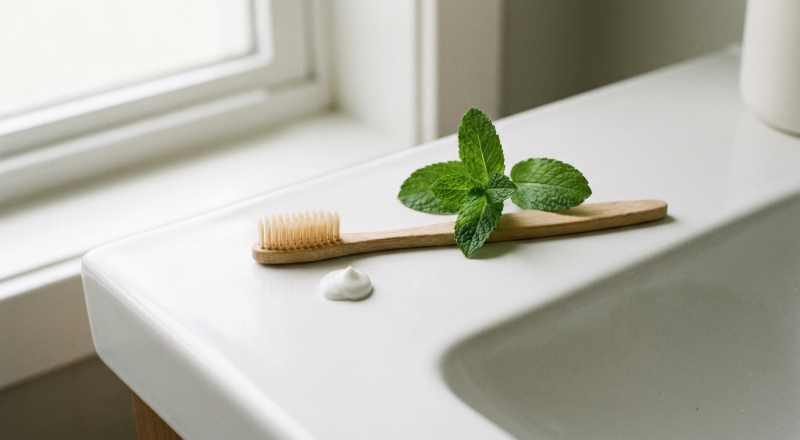
Fluoride-free toothpaste can help prevent cavities, but only if it contains an active ingredient that rebuilds enamel, such as nano-hydroxyapatite. A toothpaste with no remineralizing agent leaves your teeth with less protection than a standard fluoride paste.
How fluoride prevents cavities
Fluoride works by helping enamel take up minerals from saliva and by making the rebuilt surface more resistant to acid. Decades of research support it as an effective cavity preventive, which is why it remains the default recommendation from most dental bodies.
That track record is the benchmark any fluoride-free option has to be measured against, not dismissed. If you are weighing the safety questions that lead people to switch, our overview of whether fluoride-free toothpaste is safe lays out what the evidence says.
Can fluoride-free toothpaste still protect teeth
The answer depends entirely on the active ingredient. Nano-hydroxyapatite is the most studied fluoride alternative, and research suggests it can remineralize enamel and reduce sensitivity, though its long-term cavity data is younger than fluoride’s.
We compare the two directly in our nano-hydroxyapatite vs fluoride breakdown. A fluoride-free paste built around it is a reasonable choice for many adults. One built only on flavor and mild abrasives is not, because it cleans without rebuilding.
Who should be cautious
People at higher cavity risk, including those with dry mouth, frequent snacking, deep grooves, or a history of decay, get the most benefit from fluoride and should talk to a dentist before switching.
If you still prefer to go fluoride-free, choose a product with a proven active ingredient. Our guide to the best fluoride-free toothpaste focuses on the ones that actually remineralize. This is general information, not a substitute for advice from your own dentist.