Best Cat Toothpaste: 6 Picks That Actually Work
By Enamelly Editorial Team
Disclosure: Enamelly earns a commission on qualifying purchases through Amazon affiliate links at no extra cost to you.
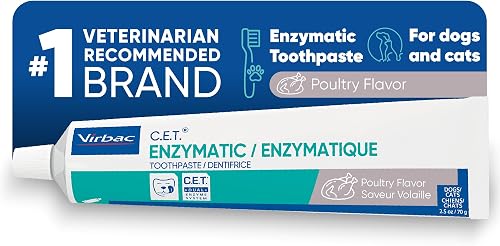
The best cat toothpaste for most cats is Virbac C.E.T. Enzymatic Toothpaste. It carries the Veterinary Oral Health Council (VOHC) seal, uses a dual-enzyme system (glucose oxidase and lactoperoxidase) that keeps working between brushings, comes in a poultry flavor cats genuinely accept, and has been the benchmark product in feline dentistry for decades. If you want one answer and nothing else, that is it.
But there are real reasons to pick something different. Some cats refuse the flavor. Some owners need a fluoride-free formula for cats who swallow everything. Some want a kit for a cat who has never had a toothbrush near their mouth. The six products below cover those cases, chosen on formulation quality, ingredient transparency, VOHC status where applicable, and aggregated owner feedback across thousands of verified reviews.
One thing that is not negotiable: never use human toothpaste on a cat. Human formulas contain fluoride, which is toxic to cats at even small doses, and many “natural” human toothpastes contain xylitol, which is acutely toxic to animals. Only use toothpaste formulated specifically for pets. If your cat already shows signs of dental disease, such as red or bleeding gums, visible tartar buildup, or difficulty eating, see a veterinarian before starting any home dental care program.
For a broader look at keeping both cats and dogs dentally healthy, see our full guide to cat and dog dental care. Our pet dental hub covers water additives, dental chews, and professional cleaning schedules alongside brushing.
Quick Comparison: Best Cat Toothpastes
| Product | Type | VOHC Seal | Key Flavor(s) | Best For |
|---|---|---|---|---|
| Virbac C.E.T. Enzymatic Toothpaste | Enzymatic | Yes | Poultry, Malt, Beef | Overall best pick |
| Petsmile Professional Pet Toothpaste | Calprox / Non-enzymatic | Yes | London Broil, Roast Beef, Chicken | Cats who resist brushing |
| Vet’s Best Enzymatic Cat Toothpaste | Enzymatic + herbal | No | Vanilla mint (mild) | Budget-friendly kit option |
| Arm & Hammer Advanced Care Cat Dental Gel | Baking soda / enzymatic | No | Fresh mint (mild) | Odor control priority |
| Oxyfresh Premium Pet Dental Gel | Oxidizing / non-enzymatic | No | Unflavored | Flavor-sensitive cats |
| TropiClean Fresh Breath Oral Care Gel | Enzymatic + botanical | No | Vet-fresh / tropical | No-brush application |
Virbac C.E.T. Enzymatic Toothpaste: Best Overall
Best for: Cat owners who want the most clinically validated option and a flavor their cat will actually accept on a toothbrush.
Virbac’s C.E.T. line has been the go-to recommendation in veterinary dentistry for over 30 years. The formula uses a patented dual-enzyme system: glucose oxidase converts glucose into hydrogen peroxide, which then feeds the lactoperoxidase system to produce antimicrobial compounds that inhibit plaque-forming bacteria. This means the toothpaste continues to work after you put the toothbrush away, unlike abrasive-only formulas that only clean while in contact with the tooth surface.
The VOHC seal is the single most meaningful third-party endorsement in pet dental care. The Veterinary Oral Health Council awards it only to products that pass controlled clinical trials demonstrating a statistically significant reduction in plaque or tartar. C.E.T. Enzymatic Toothpaste holds that seal for plaque reduction.
The poultry flavor is the best-selling variant because palatability is genuinely high. Cats presented with it during introduction tend to lick it off the brush readily, which matters enormously when you are trying to build a daily habit with an animal that has opinions about everything. The tube format means controlled dispensing; you do not need much, roughly the size of a pea per session.
- Pros: VOHC-accepted, clinically validated dual-enzyme system, high palatability in poultry flavor, veterinarian recommended for decades
- Cons: Tube-only (no starter kit with toothbrush included in base SKU), not the cheapest per ounce
Petsmile Professional Pet Toothpaste: Best for Cats Who Resist Brushing
Best for: Cats who will not tolerate a toothbrush but will let you apply gel directly to the gum line with a finger or applicator.
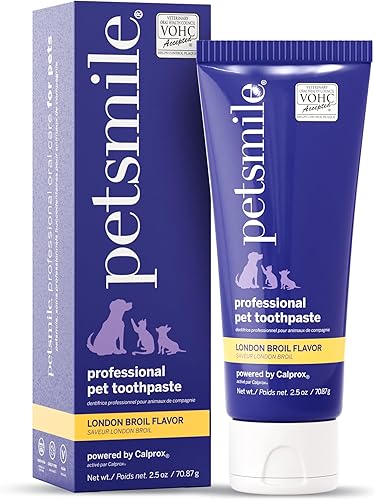
Petsmile is the only other cat toothpaste currently holding a VOHC seal alongside Virbac, making it one of two evidence-backed choices on this list. The active ingredient is Calprox, a proprietary calcium peroxide compound that the brand claims dissolves the protein pellicle layer on which bacteria colonize before they can mineralize into tartar. The mechanism is different from enzymatic toothpastes, which is partly why it works for cats that do not respond to C.E.T.
The London Broil flavor is the flagship, and palatability reviews are consistently strong across a large sample of verified purchasers. Petsmile also markets itself as a “no-brush required” formula, meaning you can apply it with your finger along the gum line and let the cat’s tongue do some of the spreading work. For cats who have never been conditioned to accept a toothbrush, this is a meaningful practical advantage.
The price point is higher than most alternatives, but the VOHC backing and the no-brush option justify it for cats with genuine brushing resistance.
- Pros: VOHC-accepted, unique Calprox mechanism, no-brush application works, strong palatability in savory flavors
- Cons: Premium price, smaller tube volume than competitors at the same price
Vet’s Best Enzymatic Cat Toothpaste Kit: Best Starter Kit
Best for: First-time cat brushers who need a complete kit and want a plant-based enzymatic formula at a lower price point.
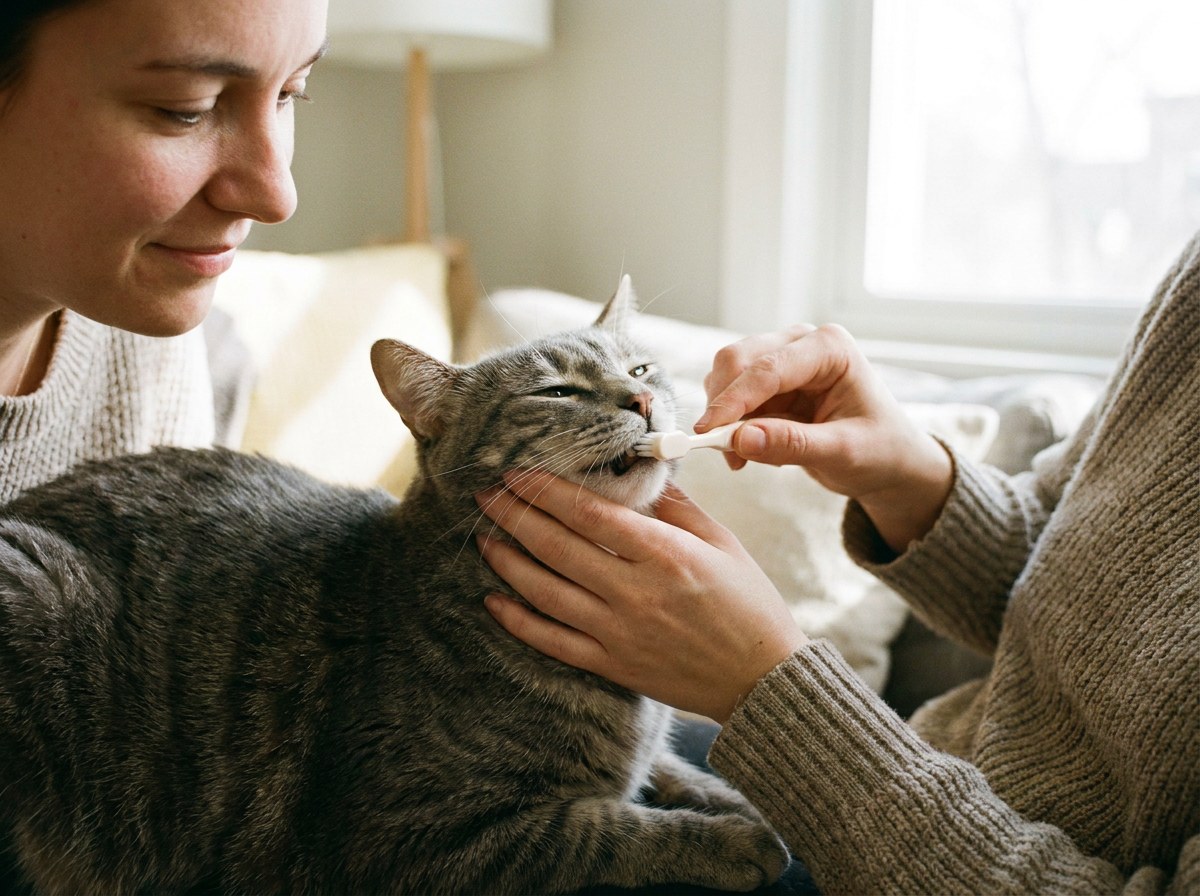
Vet’s Best markets a toothpaste-and-toothbrush kit that gives you everything needed to start a dental routine without a separate brush purchase. The formula is enzymatic and adds a blend of botanical ingredients including neem oil and aloe vera, both of which have some evidence for antimicrobial activity in oral care contexts, though neither is as extensively studied in cats as the lactoperoxidase system in C.E.T.
The vanilla mint flavor is mild enough that most cats tolerate it without the kind of aversion you can get from stronger mint products. It is not VOHC-accepted, which means there is no independent clinical trial data confirming plaque or tartar reduction. What it does have is a large base of user reviews (tens of thousands across Amazon and Chewy) with consistently high acceptance rates, particularly for kittens being introduced to brushing for the first time.
The kit format is the primary selling point. If you are starting from zero, having a toothbrush included removes one decision and one purchase, and the applicator brush included is appropriately sized for a cat’s mouth.
- Pros: Kit includes toothbrush, enzymatic formula, plant-based ingredients, affordable, widely available
- Cons: No VOHC seal, botanical actives less studied in cats than pharmaceutical enzymatic systems
Arm & Hammer Advanced Care Dental Paste for Cats: Best for Odor Control
Best for: Cats with noticeably bad breath where odor reduction is the primary owner concern alongside plaque control.
Arm & Hammer’s cat dental paste uses baking soda (sodium bicarbonate) as its primary active, paired with an enzymatic component. Baking soda works through a different mechanism than the lactoperoxidase or Calprox systems: it physically abrades soft deposits and neutralizes the acidic environment that plaque-forming bacteria prefer. The combination with an enzyme system is logical because the two approaches target different stages of biofilm formation.
The practical result most owners notice first is a significant reduction in halitosis. Cats with chronic bad breath, which can signal early gum disease but also occurs in otherwise healthy cats with dense oral bacteria, tend to show measurable improvement within two to three weeks of consistent use. The mint flavor is milder than human baking soda toothpastes and does not appear to cause the aversion some cats show to stronger mint products.
There is no VOHC seal here. For owners who prioritize the most clinically validated formula, Virbac or Petsmile are stronger choices. But for households where the primary complaint is breath odor and where budget matters, this formula is a practical, widely available option.
- Pros: Dual mechanism (baking soda + enzyme), strong odor reduction, affordable, available in most pet stores
- Cons: No VOHC seal, mint flavor may not suit all cats, abrasive-feel formula not for cats with inflamed gums
Oxyfresh Premium Pet Dental Gel: Best for Flavor-Sensitive Cats
Best for: Cats that refuse every flavored toothpaste and need a completely unflavored, odorless formula.
Oxyfresh uses Oxygene, the brand’s proprietary stabilized chlorine dioxide compound, as its active ingredient. Chlorine dioxide is well-established in human dental care as an antimicrobial agent effective against anaerobic bacteria, the species primarily responsible for plaque formation and halitosis. The formula is completely unflavored and has almost no smell, which makes it the only realistic option for cats with severe flavor sensitivity.
This is not an enzymatic toothpaste. There is no glucose oxidase or lactoperoxidase system, and there is no VOHC seal. What it offers is a mechanism that targets the bacteria themselves rather than creating an environment hostile to them, and it does so without any ingredient your cat will immediately want to avoid.
The gel consistency is thicker than some alternatives, which some owners find easier to apply to a toothbrush. It also means a little goes a long way. For cats who have failed every flavored formula, Oxyfresh is often the fallback that finally allows owners to establish a brushing routine.
- Pros: Completely unflavored, chlorine dioxide antimicrobial mechanism, good gel consistency for brush application, no dyes or artificial sweeteners
- Cons: No VOHC seal, more expensive than enzymatic alternatives, not as widely studied in feline populations
TropiClean Fresh Breath Oral Care Gel: Best No-Brush Option
Best for: Cats where brushing is simply not going to happen and owners need a topical gel applied to the gum line without a toothbrush.
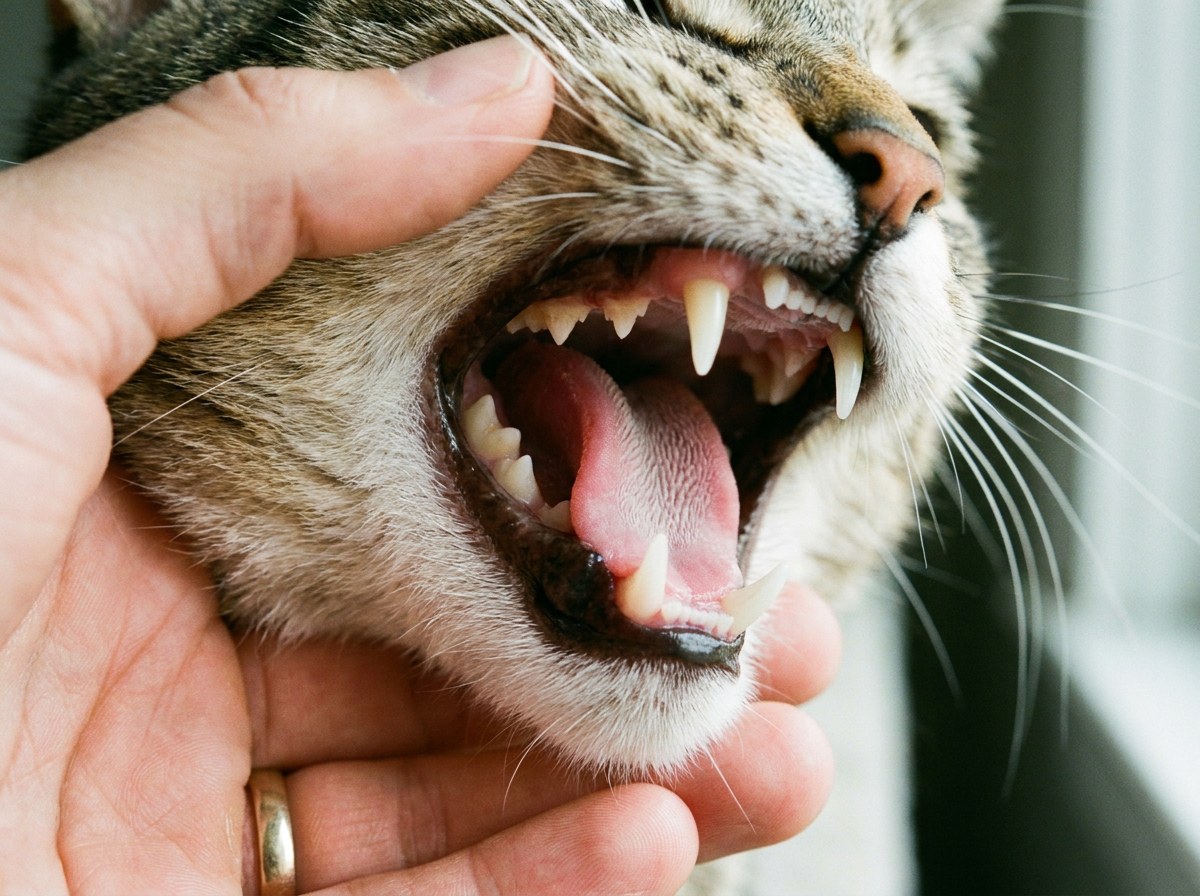
TropiClean’s oral care gel is designed for fingertip or applicator application directly to the gum line. The formula combines an enzymatic base with botanical extracts including green tea, which contains catechins with demonstrated antimicrobial activity in dental contexts. The application method takes two to three seconds per side of the mouth, which makes compliance dramatically higher in households with difficult cats.
The trade-off is mechanical action. A toothbrush physically disrupts the plaque biofilm, and no gel applied without brushing replicates that. TropiClean positions itself as a daily maintenance tool rather than a replacement for professional cleanings. It does not hold a VOHC seal. For cats that absolutely cannot be conditioned to accept a toothbrush, however, it provides genuine benefit over doing nothing, which is a meaningful category.
The gel also doubles as a reviewed water additive option in the brand’s broader line, though the targeted gel application outperforms the additive format for cats where you can handle their mouth at all.
- Pros: No-brush application, green tea botanical actives, fast daily routine, good for cats that resist toothbrushes
- Cons: No mechanical plaque disruption, no VOHC seal, not a substitute for professional dental cleanings
How We Picked These Products
The Enamelly Editorial Team does not conduct first-hand product testing on cats. Our selection methodology is based on three criteria applied in order of priority.
First, formulation analysis. We assess the active ingredients, their mechanism of action, and whether the mechanism is supported by peer-reviewed research in companion animal dentistry. Enzymatic systems using the lactoperoxidase pathway have the strongest evidence base for cats and dogs. We note where alternative mechanisms (Calprox, chlorine dioxide, baking soda) have supporting data and where they do not.
Second, VOHC status. The Veterinary Oral Health Council runs independent controlled trials and awards its seal to products that demonstrate statistically significant plaque or tartar reduction. A VOHC seal is the highest available third-party signal for pet dental products. Only two products on this list carry it: Virbac C.E.T. and Petsmile.
Third, aggregated owner feedback. We review user feedback across major retail platforms including Amazon and Chewy, weighted toward verified purchasers, focusing on palatability, real-world tolerance, and long-term use patterns. We do not rely on raw star averages; we read the text of reviews for pattern signals like “my cat actually lets me brush now” versus “gave up after three tries.”
What to Look for in a Cat Toothpaste
Enzymatic vs. Non-Enzymatic
Enzymatic formulas contain active biological compounds, typically a glucose oxidase and lactoperoxidase system, that produce antimicrobial byproducts when in contact with saliva and oxygen. They continue working between brushing sessions. Non-enzymatic formulas (baking soda, chlorine dioxide, Calprox) clean during application but do not have the same residual activity. For most cats, an enzymatic formula is the stronger starting point. The exception is the cat who will not accept any enzymatic formula’s flavor or texture, where a non-enzymatic alternative that gets used beats a better formula that sits in the cabinet.
VOHC Acceptance
The VOHC seal is the only independent third-party signal in the pet dental space that requires actual clinical trial data. Marketing claims on packaging, such as “clinically proven” or “dentist recommended,” do not require trial data. A VOHC seal does. At the time of this writing, Virbac C.E.T. Enzymatic Toothpaste and Petsmile Professional Pet Toothpaste are the primary cat-appropriate products holding this designation. Check the current VOHC product list at vohc.org before purchasing, as the approved list is updated periodically.
Flavor and Palatability
A toothpaste your cat refuses is worth nothing. Cats are considerably more sensitive to flavor and texture than dogs, and they will flatly reject products that smell wrong to them. Poultry, beef, and seafood flavors have the highest acceptance rates across published owner feedback. Mint-adjacent flavors can work if the concentration is low, as in Vet’s Best, but strong mint is associated with higher refusal rates. If you are starting fresh, begin with the lowest-odor, most palatable option you can find, build the habit, then consider switching to a formula with stronger clinical backing once your cat is comfortable with the routine.
What the Formula Must Not Contain
Any pet toothpaste you consider must be free of fluoride and xylitol. Both are toxic to cats. Every product on this list is formulated without these ingredients. Check the ingredient list yourself each time you purchase, particularly with multi-use or combo products, because formulas do occasionally change and what was safe in a previous batch may not match the current version exactly.
Kit vs. Tube
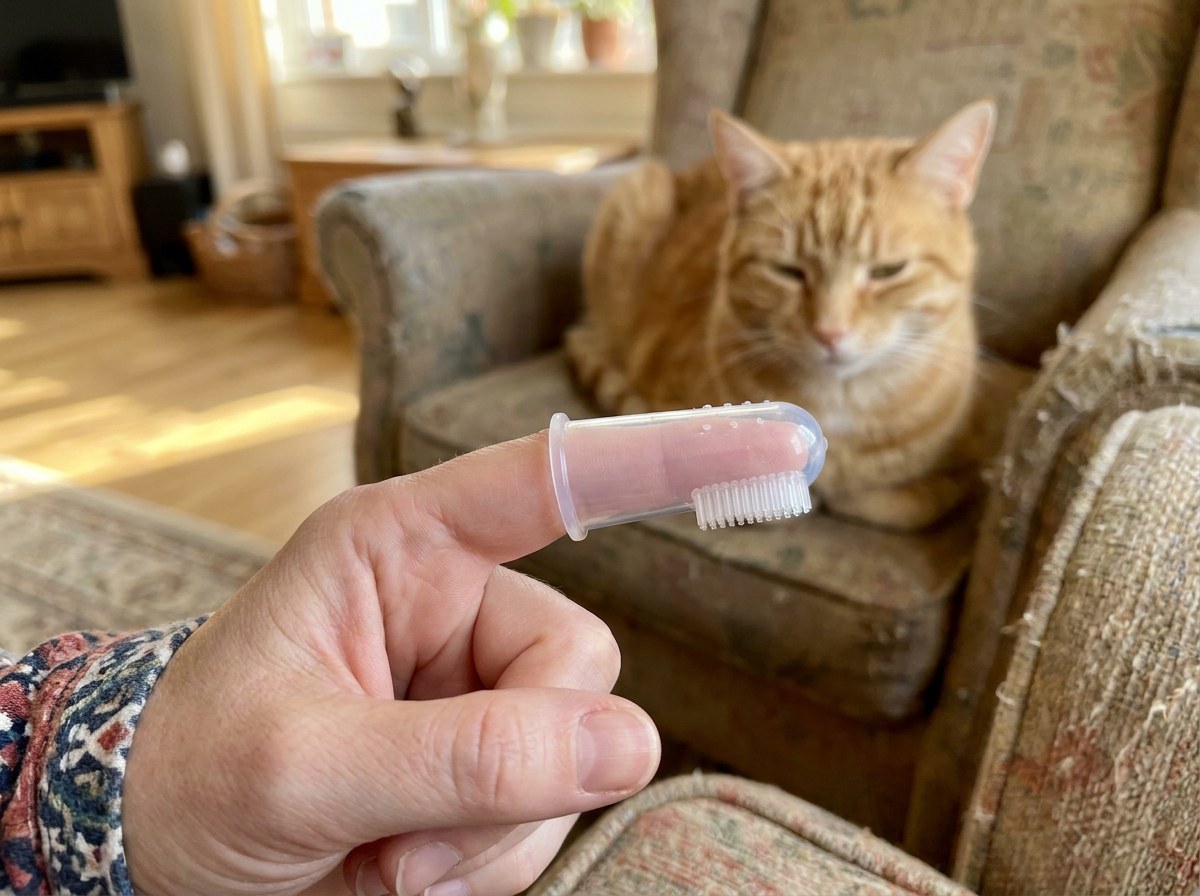
If your cat has never been brushed before, a kit that includes an appropriately sized cat toothbrush or finger brush removes a purchasing decision and ensures you have the right tool for a cat’s smaller mouth. Human toothbrushes are too large. Dog toothbrushes are often too stiff. Cat-specific brushes, whether bristle or silicone finger-style, make the introduction process meaningfully easier.
Frequently Asked Questions
Can you use human toothpaste on cats?
No. Human toothpaste contains fluoride, which is toxic to cats, and many “natural” formulas contain xylitol, which is acutely toxic to animals even in small amounts. Only use toothpaste specifically formulated for pets. This applies to both cats and dogs.
How often should you brush a cat’s teeth?
Daily brushing is the veterinary standard for preventing plaque from mineralizing into tartar. Tartar forms within 24 to 48 hours if plaque is not physically disrupted. If daily brushing is not achievable, every other day provides meaningful benefit, but less frequent brushing allows increasing tartar accumulation over time.
What does VOHC-accepted mean for cat toothpaste?
The Veterinary Oral Health Council awards its seal to pet dental products that pass independent controlled clinical trials showing a statistically significant reduction in plaque or tartar compared to a control group. It is the highest third-party quality standard currently available for pet dental products. Two cat toothpastes hold this seal: Virbac C.E.T. Enzymatic Toothpaste and Petsmile Professional Pet Toothpaste.
My cat swallows the toothpaste. Is that safe?
All products on this list are formulated to be safe if ingested in the small amounts used during brushing. Do not intentionally feed toothpaste, but incidental swallowing during brushing is not a concern with any of these formulas. This is one reason pet-specific toothpastes do not contain fluoride: cats cannot rinse and spit.
At what age should you start brushing a cat’s teeth?
Kittens can begin gentle toothbrush introduction as early as 8 to 12 weeks old. Early conditioning, before a cat has formed strong aversions to having their mouth handled, results in significantly higher lifetime brushing compliance. Adult cats can be conditioned too, but it typically takes longer and requires more patience during the desensitization phase.
Does toothpaste replace professional dental cleanings for cats?
No. Home brushing significantly slows tartar accumulation and reduces the frequency of professional cleanings needed, but it does not eliminate them. Most adult cats benefit from a professional cleaning under anesthesia every one to three years depending on their individual tartar formation rate. If your cat has existing tartar buildup, a professional cleaning should come before starting a home brushing routine, because brushing over existing tartar is less effective than brushing clean enamel.
Can you use human toothpaste on cats?
No. Human toothpaste contains fluoride, which is toxic to cats, and many natural formulas contain xylitol, also toxic to animals. Only use pet-formulated toothpaste on cats.
What is the best cat toothpaste with a VOHC seal?
Virbac C.E.T. Enzymatic Toothpaste and Petsmile Professional Pet Toothpaste are the two primary cat toothpastes holding the Veterinary Oral Health Council seal, which requires passing independent clinical trials for plaque or tartar reduction.
How often should I brush my cat’s teeth?
Daily brushing is the veterinary standard. Plaque mineralizes into tartar within 24 to 48 hours, so every-other-day brushing is the practical minimum if daily is not achievable.