Is Cat Toothpaste Different From Dog Toothpaste?
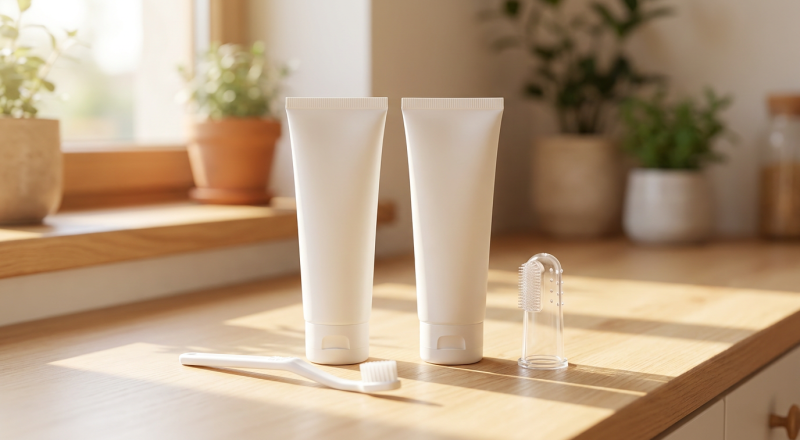
Yes, but the gap is smaller than the packaging implies. The enzyme base is often near identical. What actually changes is flavor, tube size, and which ingredients have been vetted for an animal that weighs eight pounds instead of eighty.
The formulas overlap more than you would guess
Most enzymatic pet pastes for both species run the same two-enzyme system, glucose oxidase paired with lactoperoxidase, which supports the mouth’s own antibacterial activity. Both are non-foaming and fluoride-free, because your pet swallows every bit of it.
That shared base is why the choice between enzymatic vs non-enzymatic pet toothpaste tells you more about a product than the cat or dog label on the front of the tube.
Flavor is the real dividing line
Dog formulas lean poultry, beef, malt, or peanut. Cat formulas lean fish, malt, or a much milder poultry.
That is not marketing fluff. Cats are obligate carnivores with a narrow palate, and a cat that hates the taste will fight you every night until you give up. Refusal ends more brushing routines than any ingredient ever does.
Where species genuinely matters
Cats process certain compounds differently from dogs. They have limited capacity in the liver pathway that clears phenols and salicylates, so ingredients a dog shrugs off can build up in a cat.
Watch for essential oils, tea tree oil in particular, and any added salicylate. A responsible cat formula leaves those out. Sodium load deserves a look too, since a cat swallowing paste daily is a far smaller animal.
Can you swap the tubes
Cat paste on a dog is the lower-risk direction. Most dogs accept fish flavor, and nothing in a well-made cat formula is a concern at dog body weight.
Dog paste on a cat is the swap to avoid without asking your vet first. Read the ingredient panel instead of assuming, then choose from a proper best cat toothpaste shortlist rather than borrowing from the dog.
Human toothpaste is off the table for both. Fluoride, foaming agents, and xylitol are all made to be spat out, and xylitol is genuinely dangerous to dogs.
What moves the needle instead
Frequency beats formula. Daily brushing with a paste your pet tolerates outperforms a technically better tube used twice a month.
Look for the VOHC seal from the Veterinary Oral Health Council if you want a product with submitted plaque or tartar data behind it. Then work through a best dog toothpaste comparison for the dog and keep the two tubes separate.