Enzymatic vs Non-Enzymatic Pet Toothpaste: Which Is Better for Your Cat or Dog?
Last updated: June 2026 | This article contains links to product roundups on Enamelly. Some links may be affiliate links, which means we may earn a commission at no cost to you. This does not influence our editorial recommendations.
Byline: Enamelly Editorial Team
Most pet owners pick a toothpaste based on flavor or packaging, not on how the formula actually works inside their pet’s mouth. That’s a missed opportunity, because the chemistry matters. Enzymatic and non-enzymatic pet toothpastes take entirely different approaches to preventing plaque and tartar, and the right choice depends on your pet’s age, cooperation level, and current dental health.
This guide breaks down what each type does, what the science says, and how to make a confident call the next time you’re standing in the pet store aisle or scrolling through options online.
The Short Answer
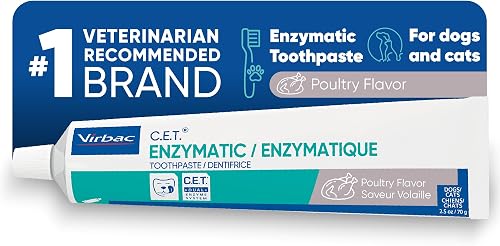
Enzymatic toothpastes are the stronger long-term choice for plaque and odor control because the enzyme system continues working even when brushing is brief or incomplete. Products like Virbac CET Enzymatic Toothpaste and Petrodex Enzymatic Toothpaste carry VOHC plaque-control approval specifically for this reason. Non-enzymatic formulas are fully adequate when you brush consistently and thoroughly, and they often come in flavors that fussy pets accept more readily. Well-regarded options like Arm & Hammer Dental Fresh Breath and TropiClean Fresh Breath Teeth Gel demonstrate that thorough, daily brushing with non-enzymatic formulas produces measurable plaque reduction. For dogs and cats with existing tartar buildup or gingivitis, neither formula replaces a professional dental cleaning; only a licensed veterinarian can address disease that has already progressed below the gumline. This guide covers the US market; product availability and regulatory standards differ in other countries.


How the Enzymatic System Works
The term “enzymatic toothpaste” refers to a specific dual-enzyme system: glucose oxidase paired with lactoperoxidase. These two enzymes mimic a naturally occurring antibacterial process found in mammalian saliva.
Here is how the cascade runs. Glucose oxidase converts glucose (present in saliva and the formula itself) into hydrogen peroxide. That hydrogen peroxide then activates lactoperoxidase, which catalyzes a reaction producing hypothiocyanite, a compound that disrupts bacterial cell membranes. The practical result is a continuous low-level antibacterial action that keeps going after brushing stops, because both enzymes remain active in the oral environment for some time after application.
Several enzymatic formulas also contain glucose oxidase alongside lysozyme, another enzyme present in natural saliva that attacks bacterial cell walls directly. This makes enzymatic products particularly useful in situations where brushing time is short, which describes the majority of pets who do not cooperate calmly for more than 20 to 30 seconds.
Because enzymatic toothpastes work partly through a catalytic reaction rather than purely through mechanical abrasion, they provide some antibacterial benefit even when the brush does not reach every surface. The mechanism matters in practice: the glucose oxidase and lactoperoxidase enzymes remain active in the oral environment after the toothbrush is put away, continuing to catalyze the hypothiocyanite-producing reaction as long as glucose substrate is available in saliva. This makes the effective treatment window longer than a single brushing session. For a dog or cat that tolerates 15 to 20 seconds of brushing before pulling away, an enzymatic formula extracts more benefit from that limited contact time than a mechanical-only formula would. Brushing technique still matters; enzymatic chemistry cannot compensate for entirely missed tooth surfaces. But it is genuinely more forgiving of the imperfect technique most pet owners deliver in daily practice.
For a curated list of enzymatic options tested across acceptance and ingredient quality, see our best dog toothpaste roundup.
What the Veterinary Dental Organizations Say
The Veterinary Oral Health Council (VOHC) awards its seal of acceptance to products that demonstrate plaque or tartar reduction in controlled trials. You can verify approved products at vohc.org. A number of enzymatic toothpastes carry VOHC approval specifically for plaque control, which is the stage you want to intercept before it mineralizes into tartar. The AVDC (American Veterinary Dental College) and AVMA (American Veterinary Medical Association) both recognize tooth brushing with pet-safe toothpaste as the gold standard for at-home dental care, and enzymatic formulas account for a large portion of the recommended products in this category.
One thing worth stating plainly: these organizations do not recommend human toothpaste for pets. Human formulas often contain xylitol, which is toxic to dogs, and fluoride at concentrations unsafe for animals that swallow the paste. Always use a product specifically formulated for pets.
What Non-Enzymatic Formulas Offer
Non-enzymatic toothpastes rely on a combination of mild abrasives, antiseptic agents such as chlorhexidine or zinc gluconate, and sometimes antimicrobial herbal extracts. The cleaning action is almost entirely mechanical: the abrasive particles physically dislodge plaque biofilm when the brush moves across the tooth surface. Some formulas add sodium hexametaphosphate, a compound that chelates calcium and inhibits tartar mineralization even after brushing.
Done well and consistently, this approach is effective. Plaque is a soft biofilm that brushing disrupts reliably, provided you reach all tooth surfaces for an adequate duration. The challenge with pets is that “adequate duration” is the variable nobody controls. If your dog accepts full two-minute brushing without protest, a non-enzymatic formula will do the job cleanly. Most dogs and nearly all cats do not.
Where Non-Enzymatic Products Excel
Flavor engineering tends to be more varied in non-enzymatic lines. You will find a much wider range of options: tuna and shrimp for cats, peanut butter, vanilla mint, and beef for dogs. Acceptance is the single biggest predictor of whether home dental care actually happens, so a palatable non-enzymatic formula that your pet lets you use daily beats a superior enzymatic formula that gets rejected and sits in a drawer.
Non-enzymatic formulas are also often lower in price, which matters when you factor in that pet toothpaste gets swallowed (pets do not rinse and spit) and tubes are consumed faster than you might expect.
If you have a cat that tolerates brushing well, explore the options in our best cat toothpaste guide, which covers both enzymatic and non-enzymatic picks with notes on feline flavor preferences.
Effectiveness: What the Evidence Actually Shows
The evidence base for home dental care in pets is smaller than in human dentistry, but the direction is consistent. The VOHC evaluates products using standardized plaque-scoring protocols: independent controlled trials compare a treated group (using the product as directed) against a negative control group (using a placebo or no product) over a defined study period, typically four to six weeks. Products must demonstrate a statistically significant reduction in plaque or tartar accumulation to earn the seal. Under this framework, daily tooth brushing reduces plaque scores significantly compared to no brushing, regardless of toothpaste type. The toothpaste chemistry matters; the brushing frequency matters more. Verified VOHC-accepted products for dogs and cats are listed at vohc.org, updated as new trial data is submitted.
For enzymatic formulas specifically, studies on the glucose oxidase/lactoperoxidase system show measurable reductions in oral bacteria counts and plaque accumulation in dogs brushed daily. The residual enzyme activity after brushing is well-documented in vitro and corroborates the clinical rationale for the format. Head-to-head randomized trials comparing enzymatic versus non-enzymatic toothpaste in pets are limited in number and scope, which means the superiority of enzymatic formulas over non-enzymatic ones under controlled, identical brushing conditions has not been definitively established by independent clinical data. The practical advantage of enzymatic formulas is most evident when brushing sessions are shorter than ideal, because the post-brush antibacterial activity compensates for reduced contact time. That is a real-world advantage for most pet owners.
The direct comparison: daily brushing with a non-enzymatic formula outperforms twice-weekly brushing with an enzymatic one. Frequency of contact is the dominant variable. Use whichever formula your pet accepts well enough to brush consistently.
Tartar vs. Plaque: Why the Distinction Matters
No toothpaste, enzymatic or otherwise, removes existing tartar. Tartar is mineralized plaque that has calcified onto the tooth surface; it requires ultrasonic scaling by a veterinarian under anesthesia to remove. Toothpaste works upstream: it disrupts plaque before it calcifies, which is why starting early in a pet’s life matters. If you can see yellow or brown deposits on your pet’s teeth, schedule a veterinary dental exam. Home brushing alone will not resolve what is already there.
Flavor and Acceptance: The Factor That Decides Everything
You can source the most scientifically advanced enzymatic formula on the market, and it will deliver zero benefit if your cat immediately walks away or your dog refuses to let the brush near the back molars. Acceptance is not a soft concern; it is the gate through which all other benefits must pass.
Cats are notoriously selective. Most feline-targeted toothpastes lean on poultry, fish, or malt flavors. Dogs are generally more cooperative and accept a wider range. If you are introducing dental care for the first time, start by letting your pet lick the paste from your finger for a week before introducing the brush. This applies regardless of formula type.
One practical note: enzymatic toothpastes typically have a mild, slightly sweet flavor profile because the glucose substrate in the formula must be palatable. Some pets accept this more readily than strongly flavored non-enzymatic products; others prefer the more savory profiles. There is no universal winner on flavor.
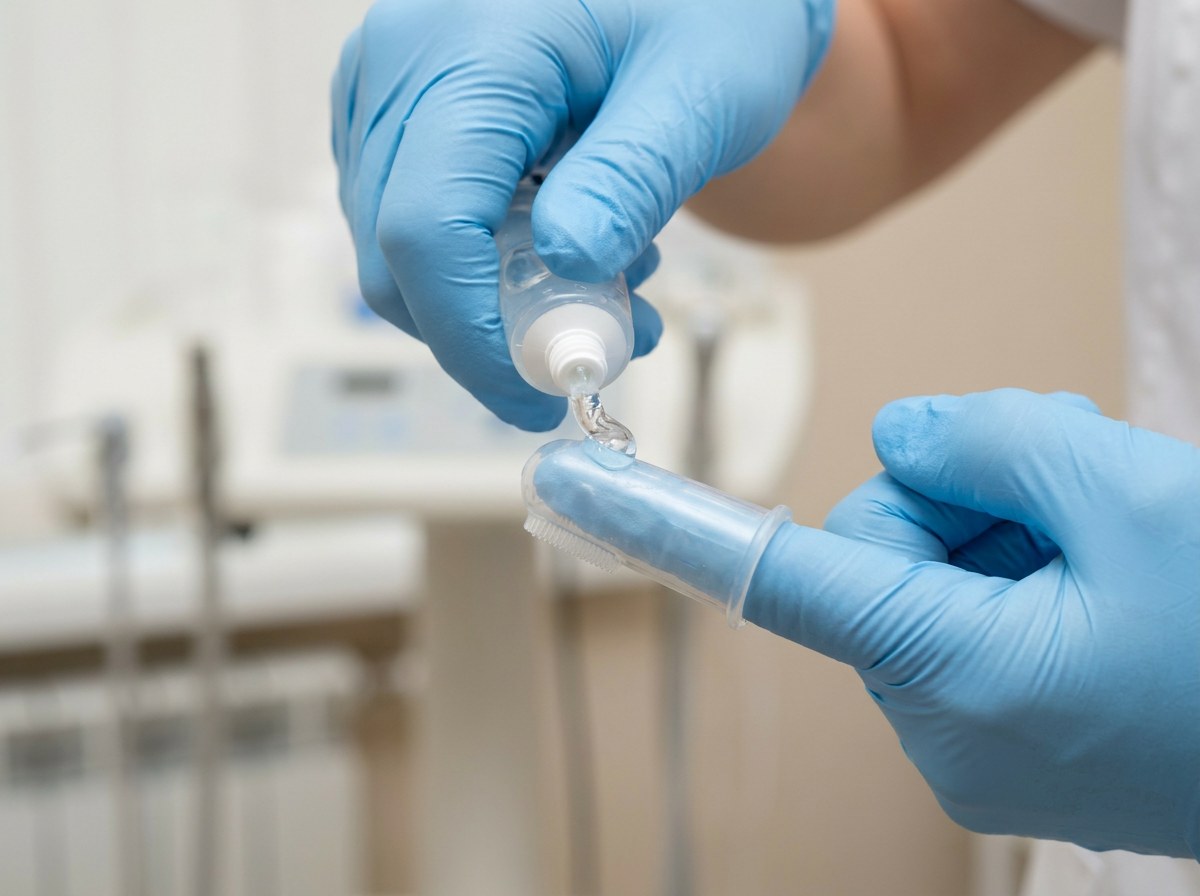
Cost Comparison
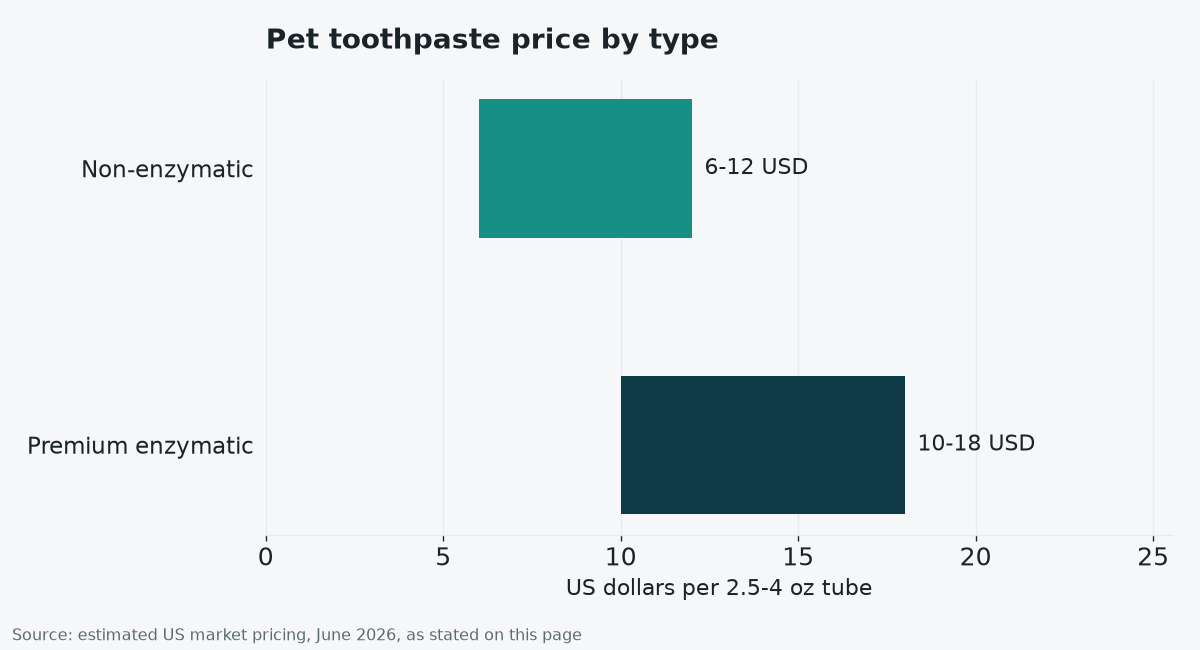
Enzymatic formulas generally cost more per ounce than basic non-enzymatic alternatives, though the gap has narrowed as the category has grown. Premium enzymatic products from established veterinary brands typically run $10 to $18 for a 2.5 to 4 oz tube [ESTIMATED, US market June 2026]. Standard non-enzymatic toothpastes in the same size range from around $6 to $12 [ESTIMATED].
Factor in how quickly the product gets used. A medium-sized dog brushed daily goes through a tube in roughly four to six weeks. Over a year, you are looking at eight to twelve tubes. The cost delta between enzymatic and non-enzymatic is real but modest relative to what a single veterinary dental cleaning costs, which ranges from several hundred dollars to over a thousand depending on the extent of work needed and the veterinary practice’s location.
Given those numbers, the formula choice is not where most pet owners should be economizing. The bigger financial protection is preventing the buildup that makes professional cleanings necessary in the first place.
Enzymatic vs Non-Enzymatic Pet Toothpaste: Side-by-Side
| Factor | Enzymatic | Non-Enzymatic |
|---|---|---|
| Active mechanism | Glucose oxidase + lactoperoxidase cascade; antibacterial after brushing stops | Mechanical abrasion + antiseptic agents; action is contact-dependent |
| VOHC-approved options available | Yes, several (e.g., Virbac CET) | Yes, some |
| Removes existing tartar | No | No |
| Odor control | Strong (continued antibacterial activity) | Moderate (contact-time dependent) |
| Flavor variety | Limited (mild/sweet profiles) | Wide range across species |
| Best for short brushing sessions | Yes | Less so |
| Safe to swallow (pet-formulated) | Yes | Yes (pet-formulated only; never use human toothpaste) |
| Average price (2.5-4 oz tube) | $10 to $18 [ESTIMATED] | $6 to $12 [ESTIMATED] |
| Effectiveness at identical brushing frequency | Higher (residual action) | Comparable when technique is thorough |
Which Should You Choose?
Go enzymatic if:
- Your pet tolerates brushing but not for long. Thirty seconds of enzymatic contact beats 30 seconds of non-enzymatic in terms of residual action.
- You are dealing with persistent bad breath that does not resolve with consistent brushing of a non-enzymatic formula.
- Your vet has flagged early gingivitis and you want the strongest preventive tool in between professional cleanings.
- You want a product with VOHC plaque-control approval specifically noted on the label.
Go non-enzymatic if:
- Your pet is highly flavor-selective and the only formula they accept is a non-enzymatic one. A formula used daily wins over any formula used three times a week.
- Budget is a genuine constraint and you are committed to daily brushing with good technique.
- You have a puppy or kitten in early socialization; the wide flavor range helps build positive associations faster.
When neither formula is enough
If your pet shows red or swollen gums, visible calculus (brown deposits), reluctance to chew, pawing at the mouth, or changes in appetite, schedule a veterinary dental exam before purchasing any toothpaste. These symptoms indicate disease that has progressed beyond what home care can address. Periodontal disease in dogs and cats develops in stages: gingivitis (reversible inflammation) can still be managed with professional cleaning and a consistent home routine, but periodontitis (bone and tissue loss) requires more involved treatment and may not be fully reversible. The AVDC notes that most dogs show some sign of periodontal disease by age three, which makes early brushing habits significantly more protective than starting in middle age. No toothpaste, enzymatic or non-enzymatic, treats active disease. The role of both formula types is prevention, not treatment. A veterinary dental exam first, then a home brushing plan, is the correct order of operations for any pet with visible dental changes.
For a broader look at the full dental care routine across both dogs and cats, the cat and dog dental care guide covers brushing technique, finger brushes, dental chews, and water additives alongside toothpaste selection.
Frequently Asked Questions
Can I use the same enzymatic toothpaste for both my dog and cat?
Some formulas are labeled for both species, but cats and dogs have different flavor preferences and different tolerances for certain ingredients. Check the label carefully. A formula labeled for dogs only may contain ingredients or flavoring agents not tested or appropriate for cats. When in doubt, use species-specific products.
How often do I need to brush my pet’s teeth for toothpaste to make a meaningful difference?
Daily brushing is the standard recommended by veterinary dental organizations. Even three to four times per week produces a measurable benefit compared to no brushing. Plaque begins mineralizing into tartar within 24 to 48 hours, so the closer you get to daily, the more effective the intervention.
My cat will not allow brushing. Is there an alternative to toothpaste?
Dental gels applied by finger or gauze pad, water additives, and dental chews with VOHC approval are secondary options when brushing is genuinely impossible. They are less effective than brushing but meaningfully better than nothing. Ask your veterinarian which alternatives are appropriate for your cat’s specific situation.
Does enzymatic toothpaste work without brushing? Can I just let my dog lick it?
The enzymatic system does provide some antibacterial activity through direct contact with saliva, but without mechanical disruption of the plaque biofilm, you lose most of the benefit. Think of the enzyme system as extending the window of action after brushing, not replacing the brushing itself.
Is the VOHC seal the best way to evaluate a pet toothpaste?
It is the most objective third-party benchmark available for the US market. VOHC approval requires controlled clinical evidence of plaque or tartar reduction at a defined threshold. It does not evaluate flavor, ease of application, or ingredient sourcing, so it is a useful filter but not the only one.
My vet mentioned chlorhexidine rinses. Is that better than toothpaste?
Chlorhexidine gluconate has strong evidence for reducing oral bacteria in both humans and animals. It can stain teeth with long-term use and many pets dislike the taste, which hurts compliance. Veterinarians use it most often as a short-term post-procedure rinse or for active gingivitis rather than as a daily toothpaste replacement. Discuss with your vet whether it fits your pet’s situation.