Teeth numbers chart: how the 3 numbering systems work
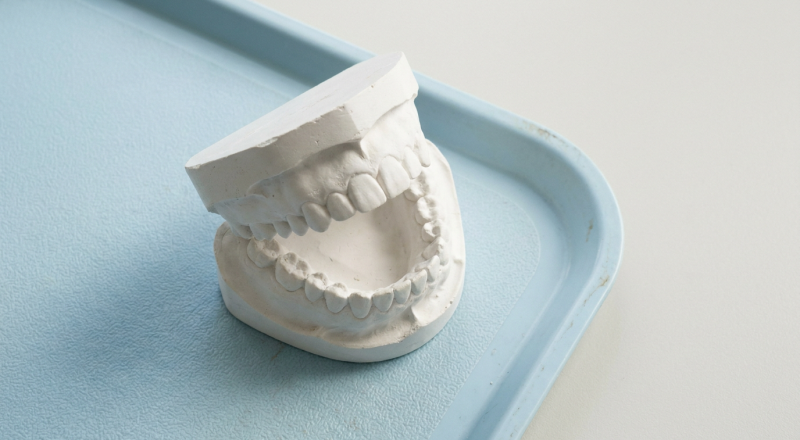
The Universal system numbers your 32 adult teeth 1 to 32, starting at the upper right wisdom tooth and finishing at the lower right one. FDI notation uses two digits, quadrant first and tooth second, and Palmer notation counts 1 to 8 in each quadrant. The chart below maps every tooth across all three.
Three systems, one set of teeth
Universal numbering is what most US dental offices and insurance forms use; the American Dental Association (ADA) lists it as the standard in its coding materials. The FDI two-digit system, published by the FDI World Dental Federation and adopted as ISO 3950, is the default across most of the rest of the world.
Palmer notation survives mainly in orthodontics and in UK practice. All three describe the mouth from the dentist’s side of the chair, so “right” means your right, which sits on the left of any chart drawn facing you.
Video: Study With The Dentist
Teeth numbers chart: all 32 adult teeth
Read Palmer as quadrant plus position: UR1 is the upper right central incisor. On paper, Palmer uses a bracket symbol around the number instead of letters, and the letter form here is the standard text substitute.
| Universal (ADA) | Tooth | FDI / ISO 3950 | Palmer |
|---|---|---|---|
| 1 | Upper right third molar (wisdom tooth) | 18 | UR8 |
| 2 | Upper right second molar | 17 | UR7 |
| 3 | Upper right first molar | 16 | UR6 |
| 4 | Upper right second premolar | 15 | UR5 |
| 5 | Upper right first premolar | 14 | UR4 |
| 6 | Upper right canine | 13 | UR3 |
| 7 | Upper right lateral incisor | 12 | UR2 |
| 8 | Upper right central incisor | 11 | UR1 |
| 9 | Upper left central incisor | 21 | UL1 |
| 10 | Upper left lateral incisor | 22 | UL2 |
| 11 | Upper left canine | 23 | UL3 |
| 12 | Upper left first premolar | 24 | UL4 |
| 13 | Upper left second premolar | 25 | UL5 |
| 14 | Upper left first molar | 26 | UL6 |
| 15 | Upper left second molar | 27 | UL7 |
| 16 | Upper left third molar (wisdom tooth) | 28 | UL8 |
| 17 | Lower left third molar (wisdom tooth) | 38 | LL8 |
| 18 | Lower left second molar | 37 | LL7 |
| 19 | Lower left first molar | 36 | LL6 |
| 20 | Lower left second premolar | 35 | LL5 |
| 21 | Lower left first premolar | 34 | LL4 |
| 22 | Lower left canine | 33 | LL3 |
| 23 | Lower left lateral incisor | 32 | LL2 |
| 24 | Lower left central incisor | 31 | LL1 |
| 25 | Lower right central incisor | 41 | LR1 |
| 26 | Lower right lateral incisor | 42 | LR2 |
| 27 | Lower right canine | 43 | LR3 |
| 28 | Lower right first premolar | 44 | LR4 |
| 29 | Lower right second premolar | 45 | LR5 |
| 30 | Lower right first molar | 46 | LR6 |
| 31 | Lower right second molar | 47 | LR7 |
| 32 | Lower right third molar (wisdom tooth) | 48 | LR8 |
How each system counts
Universal begins at 1 on the upper right third molar, runs across the upper arch to 16 on the upper left, drops down to 17 on the lower left, and ends at 32 on the lower right.
FDI gives every quadrant a digit: 1 is upper right, 2 upper left, 3 lower left, 4 lower right. The second digit counts outward from the central incisor (1) to the third molar (8), so 46 is read “four-six”, the lower right first molar.
Palmer uses the same 1 to 8 count as FDI but marks the quadrant with a bracket rather than a digit, which reads well on a hand-drawn chart.
Baby teeth get their own labels
The 20 primary teeth are never numbered 1 to 20. Universal uses the letters A to T, starting at the upper right second molar. FDI keeps its two-digit logic but moves to quadrants 5 through 8, so a child’s upper right central incisor is 51.
Palmer marks primary teeth A to E per quadrant. Letters on a pediatric chart are expected, not an error.
Where the numbers show up in your own records
A chart note reading “watch 30” or “watch 46” points at the same tooth: the lower right first molar. First permanent molars erupt around age six, which is why dentists call them six-year molars and check them closely for early decay. If a note flags early demineralization there, our teeth remineralization guide explains what that stage means and what the evidence supports.
Numbering also helps you describe sensitivity precisely. “Cold hurts on 8 and 9” tells a dentist far more than “my front teeth”, and it makes it easier to judge whether a remineralizing ingredient fits your case; start with what hydroxyapatite is if that term appears on your product label.
Several early lesions listed by number on one chart is also the moment to talk to your dentist before switching to a fluoride-free toothpaste, since that choice depends on your individual caries risk rather than on the paste alone. This page is general information, not dental advice.