Best Toothpaste for Sensitive Gums and Bleeding
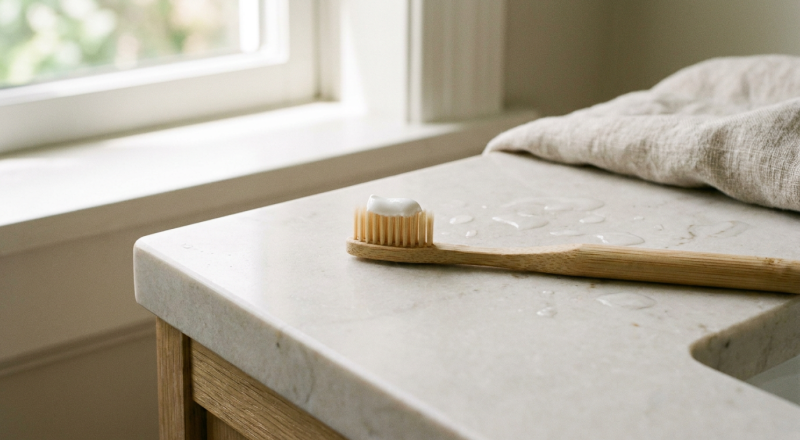
The best toothpaste for bleeding gums is a gentle, low-abrasion formula with an anti-plaque active such as stannous fluoride, paired with soft-bristle brushing. Toothpaste helps, but bleeding gums are usually a sign of early gum inflammation that also needs better daily cleaning.
If your gums bleed for more than a couple of weeks despite good habits, see a dentist, since persistent bleeding can point to gum disease.
What actually calms bleeding gums
Bleeding at the gumline is most often early gingivitis, driven by plaque sitting where the tooth meets the gum. A toothpaste that reduces plaque bacteria targets the cause rather than the symptom.
Stannous fluoride is one of the better studied actives here, with research suggesting it can reduce gingival inflammation compared with plain sodium fluoride. Look for it on the active ingredients panel.
What to look for, and avoid
Choose a paste with a low RDA abrasion value so you are not scrubbing already-irritated tissue. Harsh whitening pastes with high abrasion can make tender gums feel worse.
Some people find that SLS, the foaming agent, aggravates their mouth. If yours feels raw, an SLS-free toothpaste is worth trying. For teeth that also twinge with cold, a formula that covers both bases is described in our guide to toothpaste for sensitive teeth and gums.
Toothpaste is only half the fix
No toothpaste offsets plaque left behind by rushed brushing. Brush gently for two minutes twice a day with a soft brush, angled at the gumline, and clean between your teeth daily.
Switch to light pressure. Aggressive scrubbing damages gums and can contribute to recession, a topic covered in whether toothpaste can help receding gums.
Give any new routine two to four weeks. If bleeding, swelling, or bad breath persist, book a dental visit rather than switching pastes again.