How to Switch From Fluoride to Fluoride-Free Toothpaste
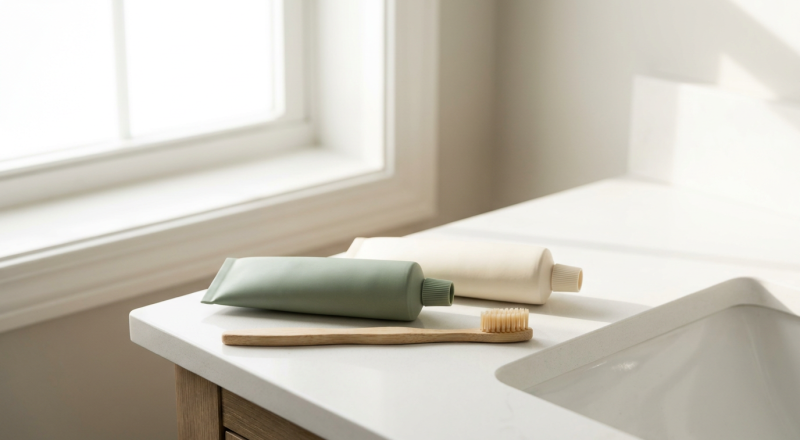
To switch from fluoride to fluoride-free toothpaste, move gradually and choose a fluoride-free paste with an active ingredient that still protects enamel, such as hydroxyapatite. Brush twice a day as usual, and keep up with your dentist so you can watch for any change in cavity risk.
Pick a replacement that actually does something
Fluoride helps harden enamel and resist decay, so you do not want to drop it for a paste that only freshens breath. Look for a fluoride-free option built around hydroxyapatite toothpaste, the mineral your enamel is largely made of.
Reading labels matters here. A fluoride-free tube with no remineralizing active is a step backward for most mouths.
Make the switch gradually
You do not have to quit fluoride overnight. Many people alternate, using fluoride-free in the morning and their old paste at night, then shift fully once they trust the new routine.
This slow approach lets you notice changes in sensitivity, breath, or texture without a jarring adjustment. If you are weighing options first, our best fluoride-free toothpaste picks compare the actives.
Who should be cautious
If you are cavity-prone, have a dry mouth, or are managing early decay, talk to your dentist before dropping fluoride. The evidence for fluoride preventing cavities is strong, and that track record is worth respecting.
For a fuller look at the research and who it suits, our fluoride-free toothpaste guide lays out the tradeoffs without hype.
Watch and adjust
Give the switch a few months, then check in at your next cleaning. Ask your dentist whether your enamel and gum health held steady.
If new sensitivity or spots appear, that is useful feedback, not failure. You can always blend fluoride back in or return to it entirely.