Best Training Toothpaste for Toddlers Learning to Brush
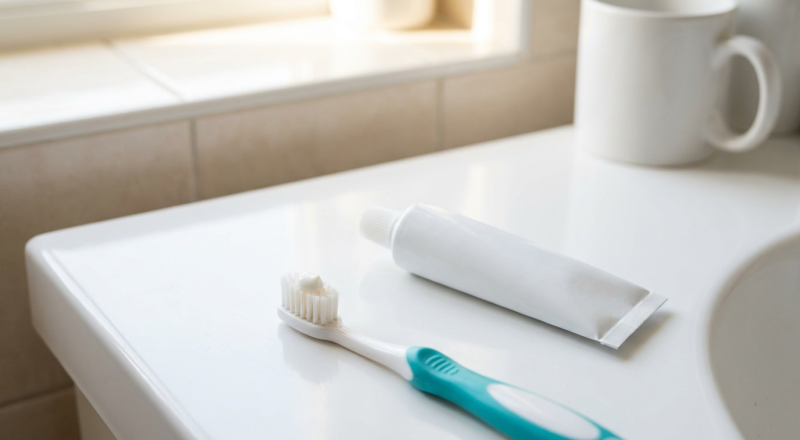
The best training toothpaste for a toddler is whichever one gets used twice a day without a fight, in an amount small enough that swallowing it does not matter.
Formula comes second. The habit comes first, and that ordering is the part most buying guides skip past.
What training toothpaste actually means
There is no regulated definition. In practice the label signals two things: a very low or zero fluoride level, and a mild flavor built for children who cannot reliably spit yet.
Most training pastes are either fluoride free or formulated to be safe in swallowed amounts. Some use hydroxyapatite as the active, some use xylitol, and some are flavored gel with no active ingredient at all.
Fluoride or not, honestly
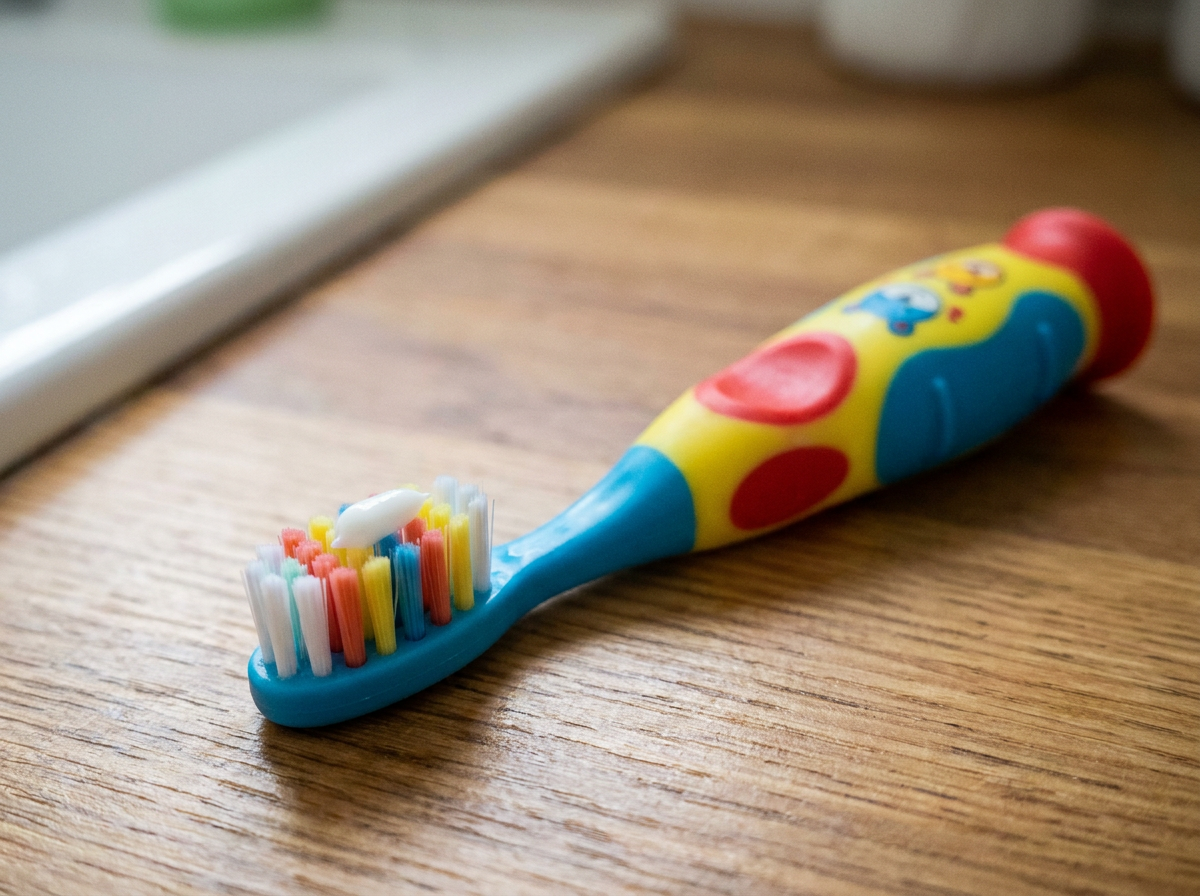
Major dental bodies including the American Dental Association recommend a rice grain smear of fluoride toothpaste from the first tooth, on the basis that cavity protection outweighs the small fluorosis risk at that dose.
Parents who prefer to avoid fluoride at this age have a real option in hydroxyapatite, which has a growing evidence base for remineralization and no swallowing concern.
The evidence for hydroxyapatite is not yet as deep as the fluoride record for cavity reduction, and it is fair to say so plainly. Our breakdown of fluoride free toothpaste for kids lays out both sides.
If your child has already had a cavity, or a dentist has flagged high risk, follow that recommendation over any general guide, including this one.
Prices move, and stock does too. Each of these opens the product page on Amazon in a new tab.
Enamelly earns a commission on qualifying Amazon purchases made through these links, at no extra cost to you.


What to look for
- A flavor your child tolerates, since mild fruit or unflavored beats mint for most under-threes
- No sodium lauryl sulfate, which stings and creates foam that toddlers then swallow
- Low abrasivity, because primary tooth enamel is thinner than adult enamel
- A tube or pump you can control, so a smear does not become a ribbon
- Xylitol if you want a mild anti-cavity effect without fluoride
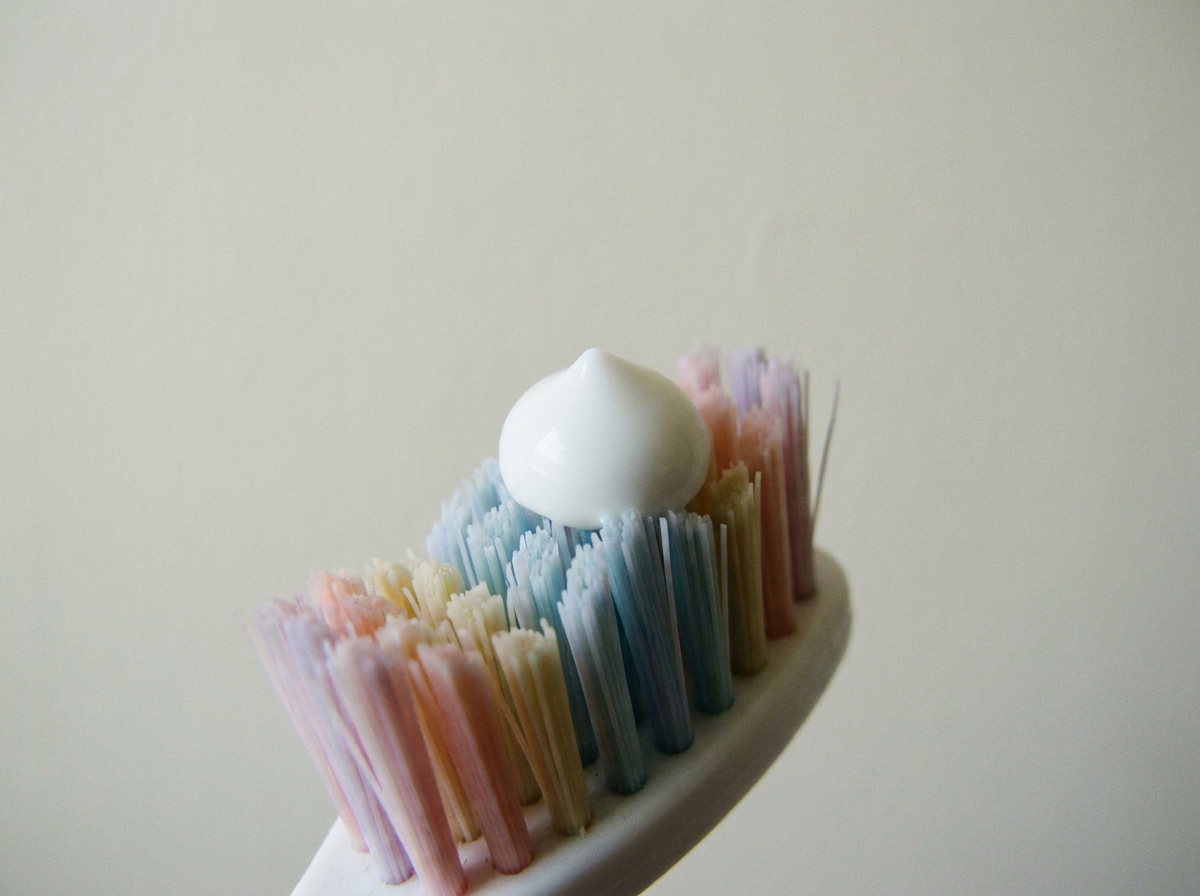
The quarter-gram figure is the pea-sized amount dentists recommend for adults, and most people squeeze out two to three times that because toothpaste adverts show a full brush head. Using the correct amount is what makes an expensive hydroxyapatite tube affordable, and children under three should get a rice-grain smear instead.
Amount matters more than brand
Under three: a smear the size of a grain of rice. Three to six: a pea. That is close to the whole rule.
Most parents use far more than that, largely because toothpaste packaging shows a full ribbon along the brush head. The right amount of toothpaste for kids is smaller than nearly everyone assumes.
If some gets swallowed
At training amounts, swallowing is expected and not an emergency. The concerns start with repeated large quantities over months, or with a child eating paste straight from the tube.
Our guide on what to do when a kid swallowed toothpaste covers when a call to poison control or your dentist is warranted.
Making the habit stick
Brush at the same two moments every day, let your child hold the brush first, then finish the job yourself until roughly age seven or eight.
Manual dexterity, not willingness, is the limiting factor. Their hands simply cannot do it properly yet.