TheraBreath mouthwash: what the oxygenating rinse claims to do
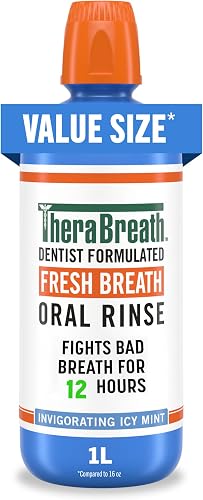
The oxygenating part of TheraBreath Fresh Breath rinse is one ingredient: sodium chlorite. The brand markets it under the name OXYD-8 and pitches it at the sulfur compounds behind bad breath. It is a breath rinse, not a cavity or gum treatment, and the brand sells separate rinses for those jobs.
Most confusion starts because one label covers a whole family of bottles, plus a toothpaste line that works differently again.
What sodium chlorite is doing in the bottle
TheraBreath describes OXYD-8 as a stabilized, pH-balanced formula derived from sodium chlorite. Church & Dwight, which owns the brand, lists sodium chlorite on the Fresh Breath ingredient disclosure as the “oral care agent”, with sodium bicarbonate beside it.
Sodium chlorite belongs to the oxidizer family. The odor of morning breath comes mostly from volatile sulfur compounds made by bacteria on the tongue, and oxidizers can break those compounds down. That is the chemistry the “oxygenating” label points at.
The same disclosure lists no alcohol, which is why the rinse does not sting the way ethanol rinses do.
Video: TheraBreath
Three TheraBreath rinses, three different actives
Only two of the bottles below carry a Drug Facts panel. Those are regulated as over-the-counter drugs with a stated active ingredient and dose. Fresh Breath is sold as a cosmetic, so it makes breath claims, not disease claims.
| Rinse | Key or active ingredient | Label type | Directions on label | Source |
|---|---|---|---|---|
| Fresh Breath Oral Rinse | Sodium chlorite (OXYD-8) | Cosmetic ingredient list | Not a drug label | Church & Dwight ingredient disclosure |
| Healthy Gums Oral Rinse | Cetylpyridinium chloride 0.05% | OTC drug, antigingivitis and antiplaque | 20 mL, 30 seconds, twice a day; not for children under 6 | DailyMed (NLM) |
| Anticavity (Healthy Smile) Oral Rinse | Sodium fluoride 0.05% (0.02% w/v fluoride ion) | OTC drug, anticavity | Once a day after brushing | DailyMed (NLM) |
Enamelly earns a commission on qualifying Amazon purchases made through these links, at no extra cost to you.


What the independent lab data shows
A 2025 in vitro study in the journal Dentistry Journal tested several TheraBreath rinses against Streptococcus mutans, the main cavity-linked bacterium. Fresh Breath, Healthy Smile and Dry Mouth showed no significant antibacterial activity against it. Healthy Gums, the CPC rinse, did.
The study has limits. It was a lab dish, not a mouth, and it measured cavity bacteria rather than breath odor. It still tells you Fresh Breath is not a germ-killing rinse in the way a CPC product is.
Rinse versus toothpaste: two separate lines
The paste and the rinse share a logo but use different formulas. If you are comparing tubes, the TheraBreath toothpaste breakdown covers what each paste contains. The gum-focused paste has its own write-up on TheraBreath Healthy Gums toothpaste.
Timing matters too. Rinsing straight after brushing can wash away what your toothpaste just left on your teeth, a trade-off covered in whether mouthwash undoes hydroxyapatite toothpaste.
Picking the right bottle
- Breath is the only complaint: Fresh Breath is the rinse built for that.
- Bleeding or puffy gums: Healthy Gums is the one with an approved antigingivitis active.
- Cavity risk: the fluoride rinse is the only one making an anticavity claim.
Persistent bad breath that no rinse shifts can come from gum disease, dry mouth or conditions outside the mouth. That is worth a dentist visit rather than a stronger bottle. This page is general information, not personal dental advice.